Why A Bad Engine Or Transmission Mount Gives Me The Shakes!
One of my favorite things about having an auto repair shop is the ability to see many different cars in many different conditions. I get the opportunity to meet many people who have different needs and expectations of their cars. Every week, I take time to review every work order. That sounds a bit crazy, right–every work order…Hear me out for a second. As I look over the work orders, the repairs, and the DVIs (Digital Vehicle Inspections), I see things that tend to stand out more than others. Over the past few weeks, I have noticed an uptick in engine and transmission mount deterioration.
What Is An Engine Or Transmission Mount?
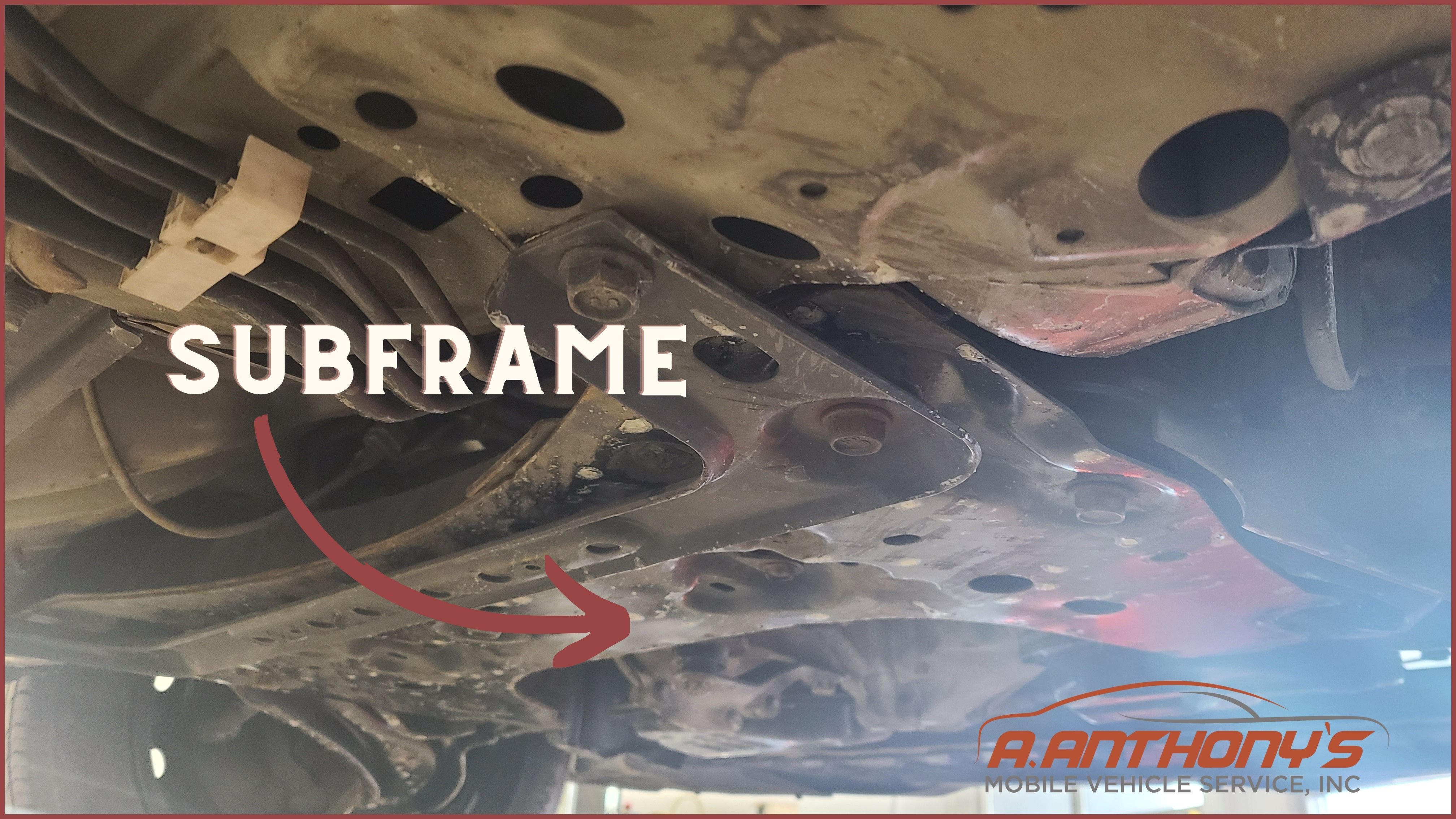
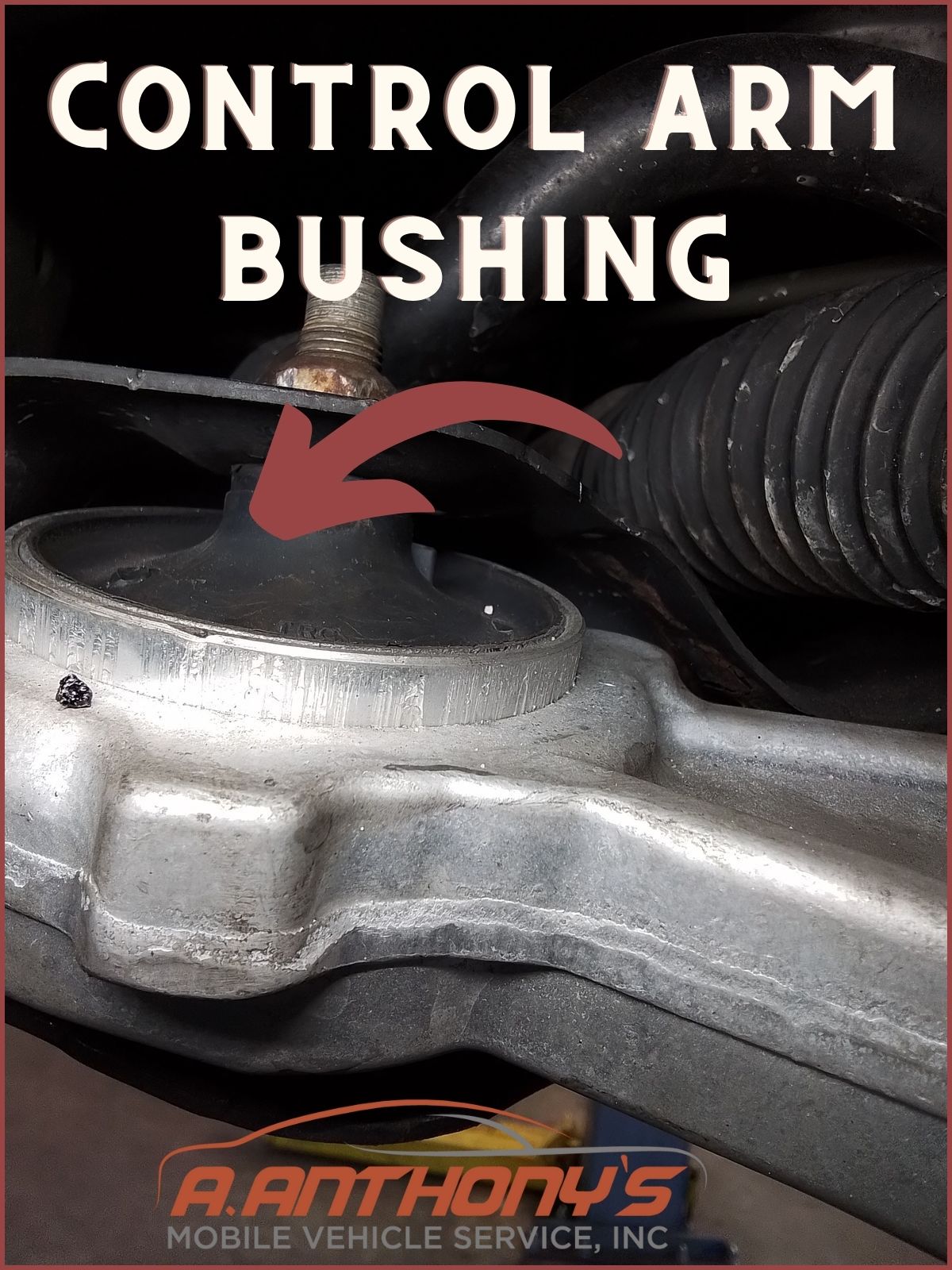
Here is how a mount attaches to the subframe of a Nissan that is in for service.
If you have ever been in a car accident, you may have heard the term car frame. The frame is a structural component of the car. Some cars have subframes and cradles. The engine and transmission nestle in these frames. The mounts secure the engine and transmission to the car’s frame. Engine and transmission mounts provide stability, absorb vibration, and reduce noise. Most mounts are rubber and metal. Some are hydraulic. This means they use fluid inside to dampen vibration, like a shock absorber. Some cars use an active mount design. These have electronic sensors and adjust in real-time to optimize performance.
Clunk and Jerk
No, those are not two characters from a kid’s cartoon. Those are signs that you have a weak or broken mount. Let me give you an example. You start your car. You shift your car from Park to Reverse–CLUNK! You shift your car from Reverse to Drive–JERK!
How I imagine noisy troublemakers
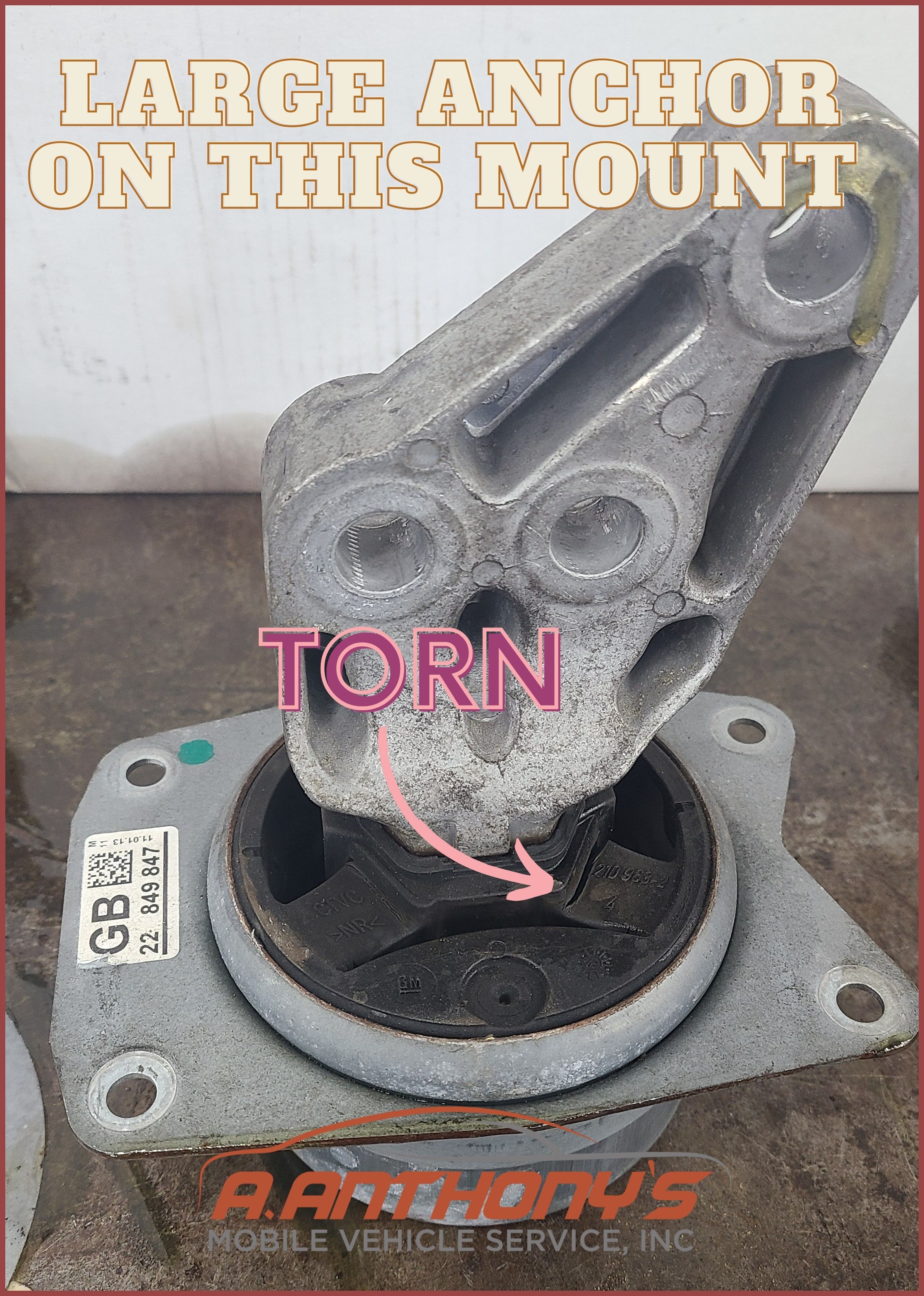
Typically, the mount is made from a combination of metal and rubber. One part attaches to the engine or transmission. The other part attaches to the frame. When the rubber tears or detaches, there is more movement than there should be. Instead of being held fixed in the frame, the biggest parts of your car move–and they can really throw their weight around.
Think about all the power that your engine and transmission have. From a client perspective, you step on the gas pedal and go, right? Have you ever had a water bottle or drink in your cup holder and watched how the fluid changes position when you accelerate or decelerate? It’s like you are tipping your drink one way or the other. That is what happens to the engine or transmission. They tip or rock back and forth, or side to side, depending on which mount is failing.
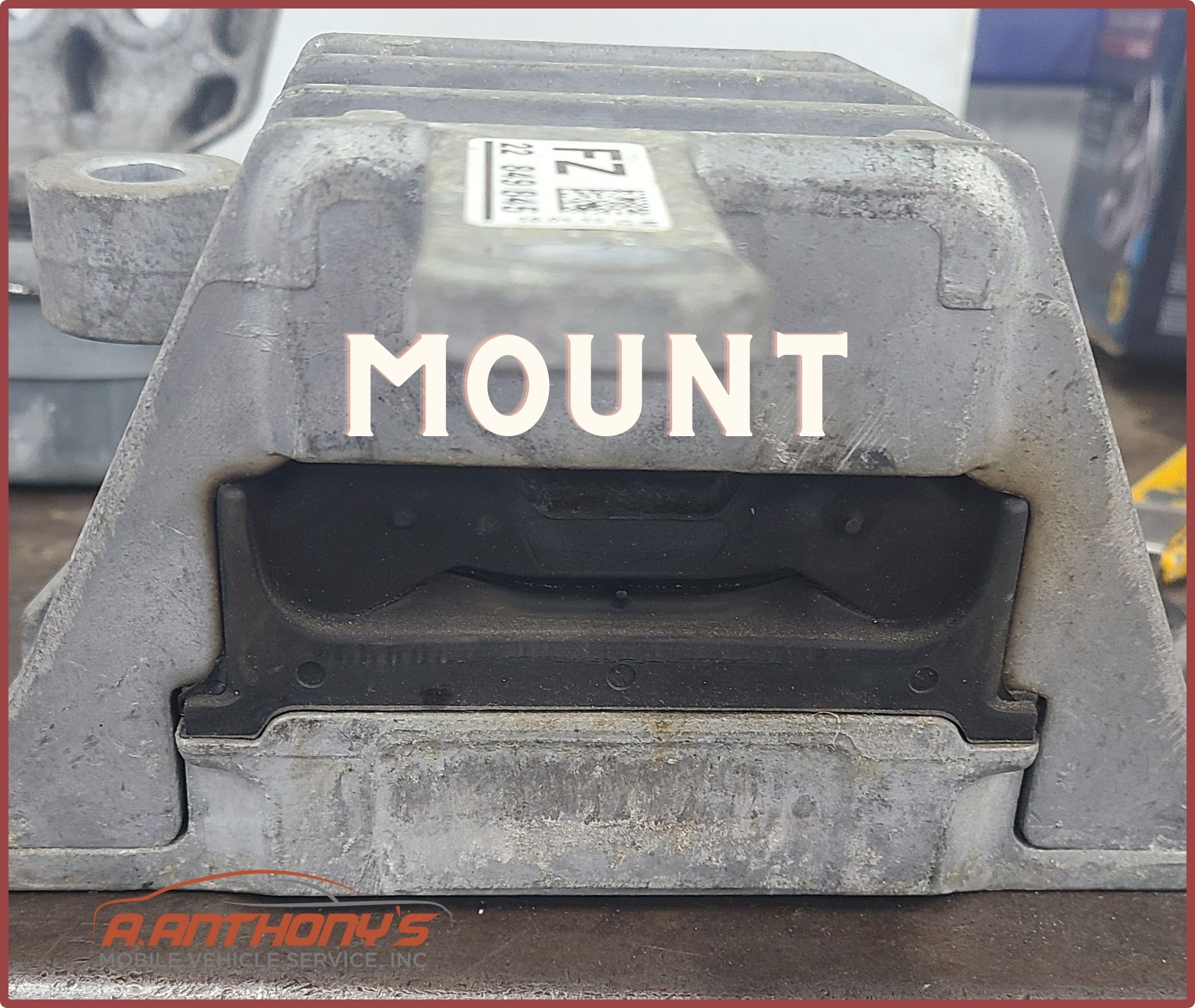
The rubber absorbs vibration and noiseThese huge anchor points are designed to support weight.
Why Do They Fail?
Like everything in your car, mounts go through normal wear and tear over time. My driving area is considered severe. Here, the average driver experiences extreme summer an winter temperatures, stop-and-go traffic, and poor road conditions. The constant exposure to heat, road vibrations, and environmental factors leads to deterioration.
Something else I see is collateral damage. For instance, did you know fluid leaks from a power steering system erode rubber components? Bushings, hoses, and (you guessed it) mounts lose durability and break down. The detergent value in the fluid eats away at rubber, like acid. As one mount starts to fail, the others become strained.
Speaking of collateral damage, think about this extra movement in the engine compartment. Your engine rocks every time you shift gears, accelerate, or stop. Think of all the hoses, wires, and other parts that are attached to the engine and transmission. I read a Technical Service Bulletin that shared a reason for an engine misfire. A broken motor mount caused a loose connection in an ignition wire. Not a bad spark plug. Not a bad wire or an ignition coil. A bad motor mount stressed the ignition components and interrupted the connection.
Two different mount designsSmaller, center bolt hole and outer anchor point
What Can You Do?
Here is what I hope you take away from this. I would like you to be able to recognize symptoms like increased vibrations and clunking noises. Pairing this knowledge with routine maintenance and visual inspections (like my shop’s DVI) can catch your mounts before they fail, preventing further damage. As always, stay well my Automotive Family. Safe travels and cheers to a smooth ride!
My Top 4 Reasons Why You Could Be Paying A Premium For Your…um…Premium.
I was on the phone with the insurance broker for my auto repair shop. As we caught up, wished each other a “Happy New Year,” and talked about expectations for the year ahead, he told me that rates for insurance are continuing to rise. All types of insurance across the board are seeing rate increases. I decided to investigate what creates and drives the premiums we pay, specifically for car insurance, and share these knowledge nuggets with you.
I remember when I first started driving. My poor parents. I must have cost them a fortune! I was 17 at the time. Adding me as a teenaged driver is one reason alone for their policy price to increase tremendously. When I got my first car and, with it, my first policy I looked for every discount I could find. I guess I could have shopped my policy through several insurance companies but let’s do a quick reality check. I was a teenager; I wasn’t calling around and internet shopping wasn’t what it is today. Staying with my parents’ insurance company came with some little discounts like multi-car (all the cars the family had), multi-policy (mom, dad, grandma, and I each had our own), and multi-line (car, home, and life). I also had great grades, so I qualified for the good student discount. This insurance company offered a safe-driver program too. It involved filling out a workbook and sending it in. Boom. Safe-driver discount. Even then for a teen and for parents of a teen, that was a heavy price tag.
Looking back, I think it’s funny. As a driver, you reach “insurance milestones.” When I bought my first home, it was in a different county. I saved money by changing where I lived. Soon after, I turned 25. Apparently, that meant I was a more “responsible” driver because I got a discount just for getting older. When I got married, my rates dropped again. These rate reductions had absolutely nothing to do with my driving habits and everything to do with life.
Insurance can be expensive
Married Life = Insurance Break
Are You A High-Risk Driver?
I truly believe I am an excellent driver. Excellent. I did when I was 17 too. Unfortunately, that is not the criteria that insurance companies use to define what “high-risk” means. Besides “age” and “life” events, insurance companies use other factors. Your driving history has a huge impact on the premium you pay. At-fault accidents and moving violations like DUIs move your rate range right up the scale. According to MarketWatch, minor speeding tickets can add an average of $409 more per year. A driver with a DUI could pay over $1400 more per year.
Are you more tortoise or hare?
So, let’s say you do not have the cleanest driving record. Are you doomed to pay higher rates for eternity? The short answer: it depends. First, look at your state. Violations stay on your driving record for 2 to 5 years depending on where you life. Second, insurance companies look at the last 3 years for any incidents. Consider working to clean up your driving record, keep it clean, and shop out your insurance as incidents “drop off’ and change your risk status.
Do You Live In A More Expensive Area?
When I bought my first home, my insurance rates went down. I moved from one of the largest counties in my state to a quieter county. According to MarketWatch, densely populated areas have higher rates. That makes a lot of sense–there are more people, cars, and traffic
Big City
Fender Bender
Do You Have An Expensive Car?
Luxury Sedan
Fully Loaded SUV
One of the many things I discuss with my clients is the pros and cons of investing in repairing and maintaining their current vehicle versus replacing it. Newer cars are automatically going to be more expensive to insure. So are cars with a higher price tag. The car you choose plays a role in the premium you pay. High-tech features, sporty designs, and functions, or even a car that is popular among car thieves result in higher premiums. Something that surprised me during my research was leased cars. A leased car versus a financed car has a higher insurance premium; the reasoning being the driver has no actual ownership of the car. So, before it is out with the old and in with the new, do a little bit of homework. Ask you insurance agent and local police if the car you are considering is a hot target for criminals. Make sure you figure in your new insurance rate with your new car payment. A little research in the beginning can save you money and heartache in the end.
Why Is There Such A Big Increase Now?
As much as I dislike bringing it up, the answer is simple. COVID. For many of us, insurance rates dropped during COVID. If you follow some of my earlier logic that more cars on the road lead to more potential accidents, moving violations, and crime, then COVID reduced those statistics dramatically in a short period. The large reduction of drivers on the road reduced incidents and cut costs for insurance companies. Many of those companies shared the cost reduction with their customers.
Cutest DriverHer commute has no traffic
Something else that has happened since COVID, that does not seem to be course-correcting, is the length of time it takes for claims processing. Adjusters topped coming to inspect vehicles and write estimates; like everything else, this process went virtual. At my auto shop, we always take images of your car during every service visit. So, taking images of the car for the insurance adjuster and sending up an estimate was not a big deal during COVID. However, the practice of not sending an adjuster remains in place today. And, depending on the size of the claim, the insurance company will reserve the right to send an adjuster even after receiving all the images and estimates from the auto repair shop. This extends the time it takes to get repairs authorized and moving. The longer the claim and authorization take, the longer you are without your car. Rental expenses are more than (I feel) they should be due to the downtime, driving up the insurance payout.
Mini-Service AdvisorDigital Health Report with Images
Post-COVID, drivers have returned to the road in a major way. When new car production was halted, a shortage of used cars began. Prices for both new and used cars increased. The automotive industry is still recovering from parts shortages. Auto repair shops are experiencing labor shortages too. So, what does this mean?
We’ve already discussed what more drivers on the road mean. Additionally, when a car is damaged or totaled, it is now more expensive to repair or replace. Parts prices have increased (law of supply and demand). Auto repair shops are offering competitive compensation to attract and retain the best of the best mechanics and technicians, which has caused labor costs to increase too. Insurance companies are paying more than ever for insurance claims. Our rates are being raised to cover future claim payouts. All these expenses are distributed across all customers paying insurance in the area–or simply stated by you and me.
And there it is. Now that you know a bit more about why car insurance is so expensive, maybe you can find a few ways to get a handle on your premium. Little things like adjusting your deductible, shopping out insurance carriers, and checking your coverage amounts may be what you need to find the best rate possible.
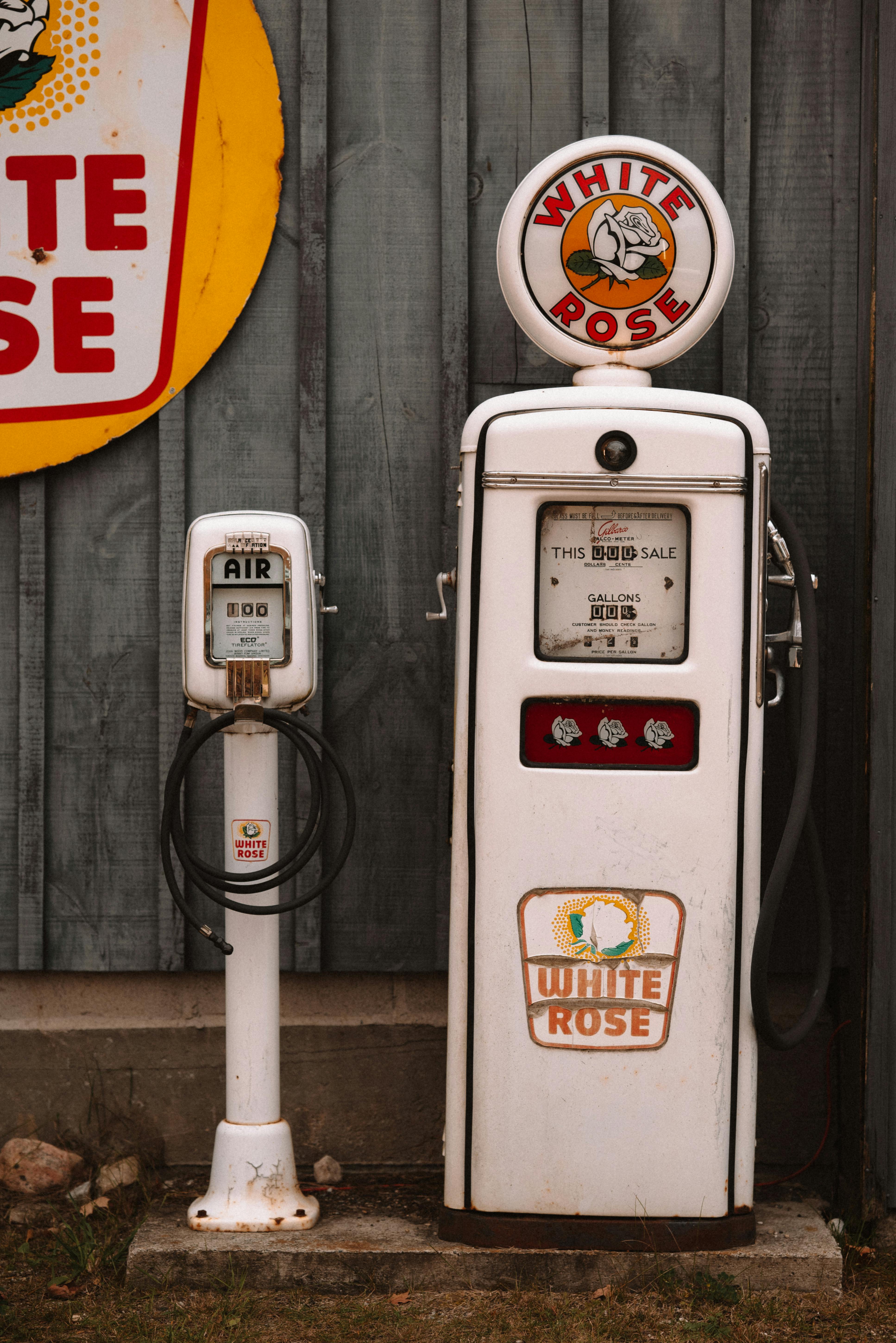
I remember a time not too long ago when gas was less than one dollar per gallon for premium. Okay sure, it was two decades ago, but who’s counting…
Once upon a time… (image courtesy of Pexels)
Today’s average price (today as in while I am writing this article) in Maryland is $3.63 for Regular and $4.46 for Premium. Location has a lot to do with what you pay at the pump. For instance, I was at a prime shopping area when my gas light came on (shame on me).
Chump at the pump.
I drove to the nearest gas station and selected my fuel grade. I put the nozzle in and started pumping. I could feel my body cringe and get smaller and smaller as the dollars on the display rose exponentially while the gallons just trickled. I was paying over $5.00 per gallon. I couldn’t do it. I couldn’t take one more tick from the pump. I had enough to get home. I stopped pumping, returned the nozzle, backed away from the pump, and back into my truck. I. Felt. Robbed.
“Give us all of your gas money!” (image courtesy of Canva)
‘Tis the season already.
News stations like CBS News and travel advisories like AAA Newsroom predict over 55 million people will travel for Thanksgiving. That is a lot of people going a lot of miles. Granted some may fly or go by train, but most will drive. AAA Newsroom states that these holiday travelers are going 50 miles or more from home. I wanted to see what advice I could give to help you enjoy the turkey on your plate rather than feel like a turkey at the pump.
image courtesy of Pexelsimage courtesy of Pexels
The Mom-Tank.
Business Insider looked at the most fuel-efficient and least fuel-efficient cars sold in the United States and found that our cars get around 25 miles per gallon on average. How does your car compare? My truck, whom I lovingly call the Mom-Tank, does not disappoint me.
Funny Faces in the Mom Tank
She has a rather large 6.2L engine. Before we get too judgy, it has what is called Active Fuel Management. This engine is designed to operate like a 4-cylinder engine until I need the power of all 8 cylinders. I have a feature in the Driver Information Center that lets me know if I am using some or all the ROAR that she has and can adjust my driving style accordingly. I also have a display that lets me know my current fuel efficiency. As a bonus, there is a mode that lets me know my “best score.” I can set it for 25, 50, or 100 miles. I’m a bit competitive so I like to beat my own high score. Here is what I have discovered from watching these data points.
It’s her world. I’m just the driver.One of the best co-pilots.
Tip #1 Watch your step.
More precisely, your foot pressure on the accelerator or gas pedal. It may seem trivial, but how you apply your foot to the gas pedal makes a bit of difference in fuel economy. Have you ever sat beside someone who fidgets? Are you a fidgeter? Your foot just tap-tap-taps away? Consider keeping steady, even pressure on the pedal. The fluttering of the gas pedal changes the signal sent from the Throttle Position Sensor to the PCM. The computer compensates for the fluctuation and load change.
Tip #2 Cruise with me.
Consider using cruise control. Your owner’s manual will tell you how to use your car’s system properly. In simple terms, you have a way to turn it on and off, a button to “Set” your speed, a button to “Accelerate,” and a button to “Coast.” In the Mom-Tank, once I set the cruise control, my speed increases by one mile per hour each time I click the plus symbol. Each time I click the minus symbol, my speed decreases by one mile per hour. I have electronically told the computer how fast I would like to travel and it sets the fuel/air mixture and throttle accordingly.
Tip #3 Coast for the most.
I am a commuter. Rush hour and I are besties. What I don’t do (I’m shaking my head as I write) is race to a red light. For me and the Mom-Tank, it is “nice and easy” for the win. To coast, I take my foot off the gas pedal and let my truck move on its own power. I am not picking up miles and miles to the gallon with this tip. Remember though, I am competitive, and I like to beat my “best score.” Watching that average MPG (miles per gallon) go up by a few tenths during each 25-minute trip is exciting. With a 26-gallon fuel tank—that is money.
Genette talks about Car Maintenance
Tip #4 Maintenance is the key.
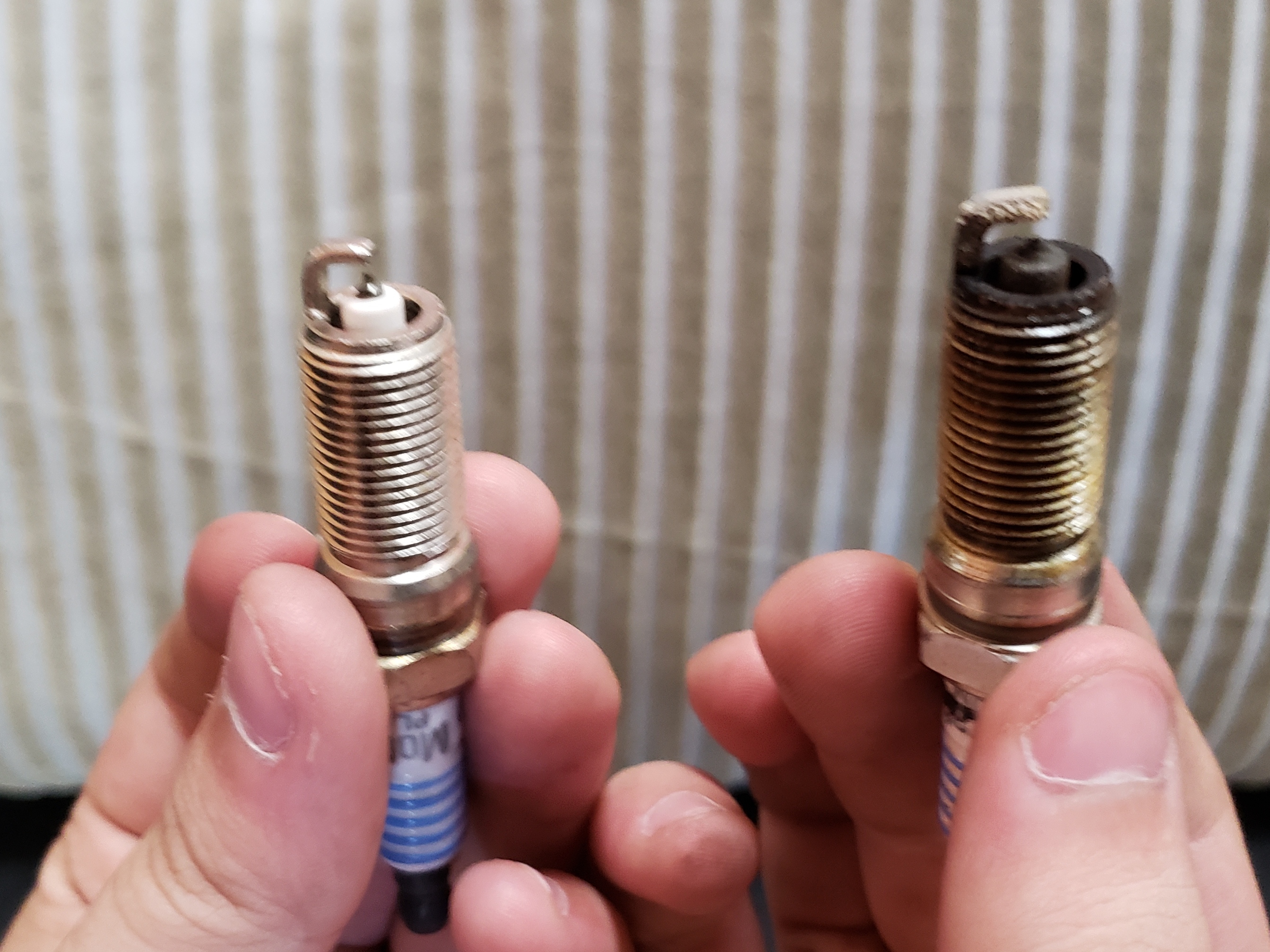
Your owner’s manual is full of great information. One of the biggest tips you will find there is your maintenance plan. Routinely changing parts and fluids not only gives you more life and miles with your car, but it also makes it run as efficiently as possible. The first thing that comes to mind when talking about fuel economy is spark plugs. A worn spark plug just doesn’t get the job done. Did you also know everything else plays a role in your fuel economy? The cooling system affects the engine operating temperature. Keeping it in the “Goldilocks Zone” where the engine temperature is just right is crucial for engine efficiency. Your alignment is another factor; just like tap-tap-tapping the gas pedal, compensating for a misaligned vehicle makes the car work harder than it needs to. How about the tiny and commonly overlooked PCV valve? This part can typically fit in the palm of your hand and is relatively inexpensive. When it fails, you can experience rough idle, spitting, and sputtering. Oh, and poor fuel economy.
Can I get this to go?
Here’s the thing. We can dive deep into this rabbit hole. There are tons of things I can share to help pick up a tenth or two here and there. Unless you have significant engine wear, you can get great fuel economy out of your car. Start with figuring out what your car should get based on the manufacturer’s specifications. We can compare that to what you are currently getting per gallon and see how much room for improvement you may have. Once we know that, we can create a plan to make your car get the best miles per gallon.
Who’s the turkey now? Me. It’s still me.
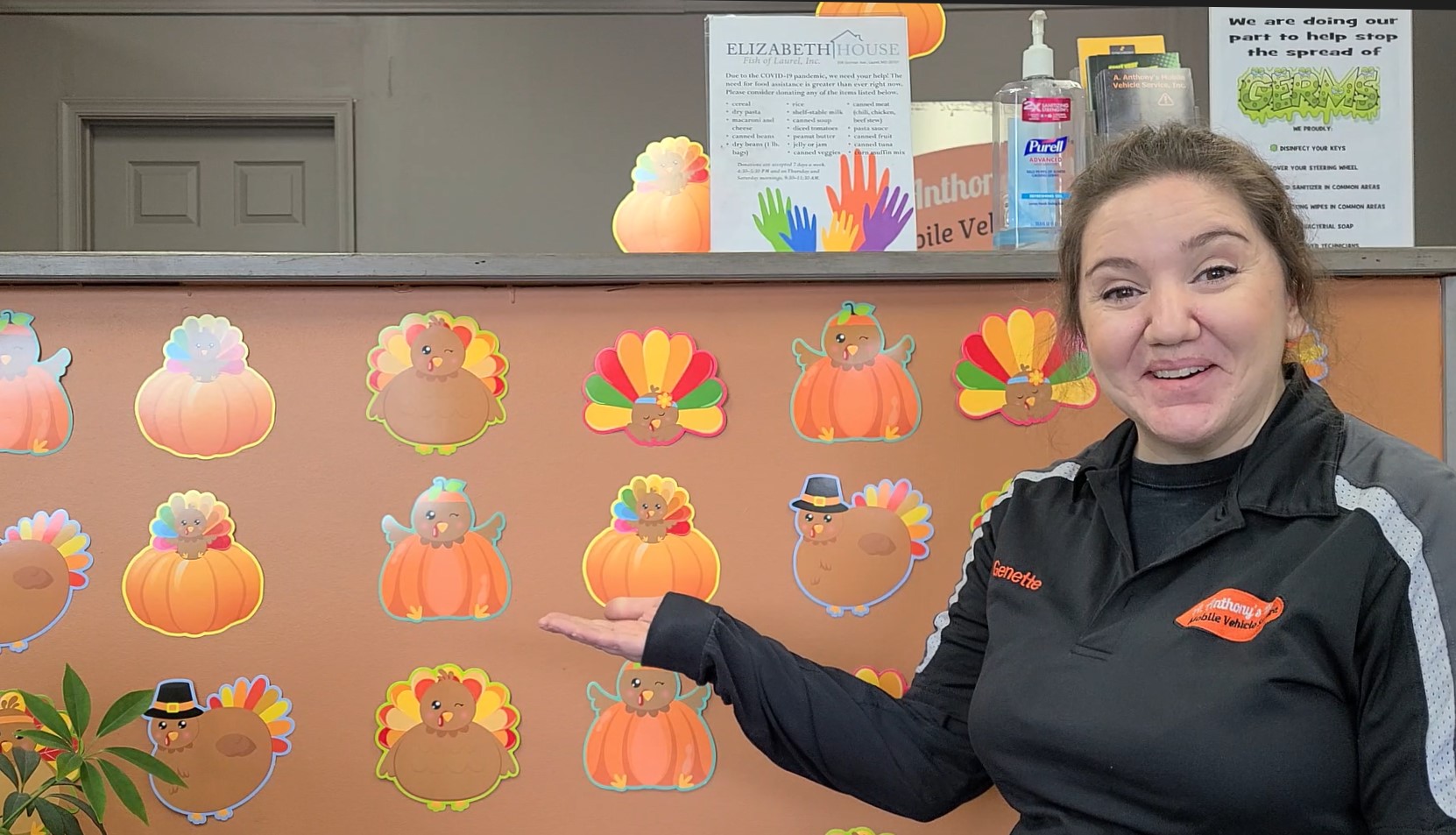
Genette Talks Turkey at the A. Anthony’s Annual Thanksgiving Food Drive
Your phone rings. It is an unknown number. You stare at the screen and maybe you debate whether to answer. It didn’t say “SCAM LIKELY,” so you press the green icon and say “Hello?”
(image courtesy of Pexels)(image courtesy of Pexels)(image courtesy of Pexels)
“We’ve been trying to reach you about your car’s warranty!”
Sigh, disconnect…
The fact is, there are tons of programs out there and they are NOT created equally. When new clients call, they will often ask if we work with their extended warranty company. I also get asked what company I would recommend when my existing clients are considering coverage. Let’s explore what this coverage actually is, what you the consumer get, and if it is worth it.
We are an approved vendor for nearly all insurance companies, extended warranty companies, and fleet management companies. Over the past 30 years, I have honed my skills in this industry, learning the steps these companies require to move your repair service from start to finish.
Advertising
This is where I feel most of the public can be grossly misled. Words are thrown around like “free” and “no cost to you.” A radio ad played recently stated your car would be towed at no cost to you, and you would have rental car coverage at no cost to you. This is a fantastic hook.
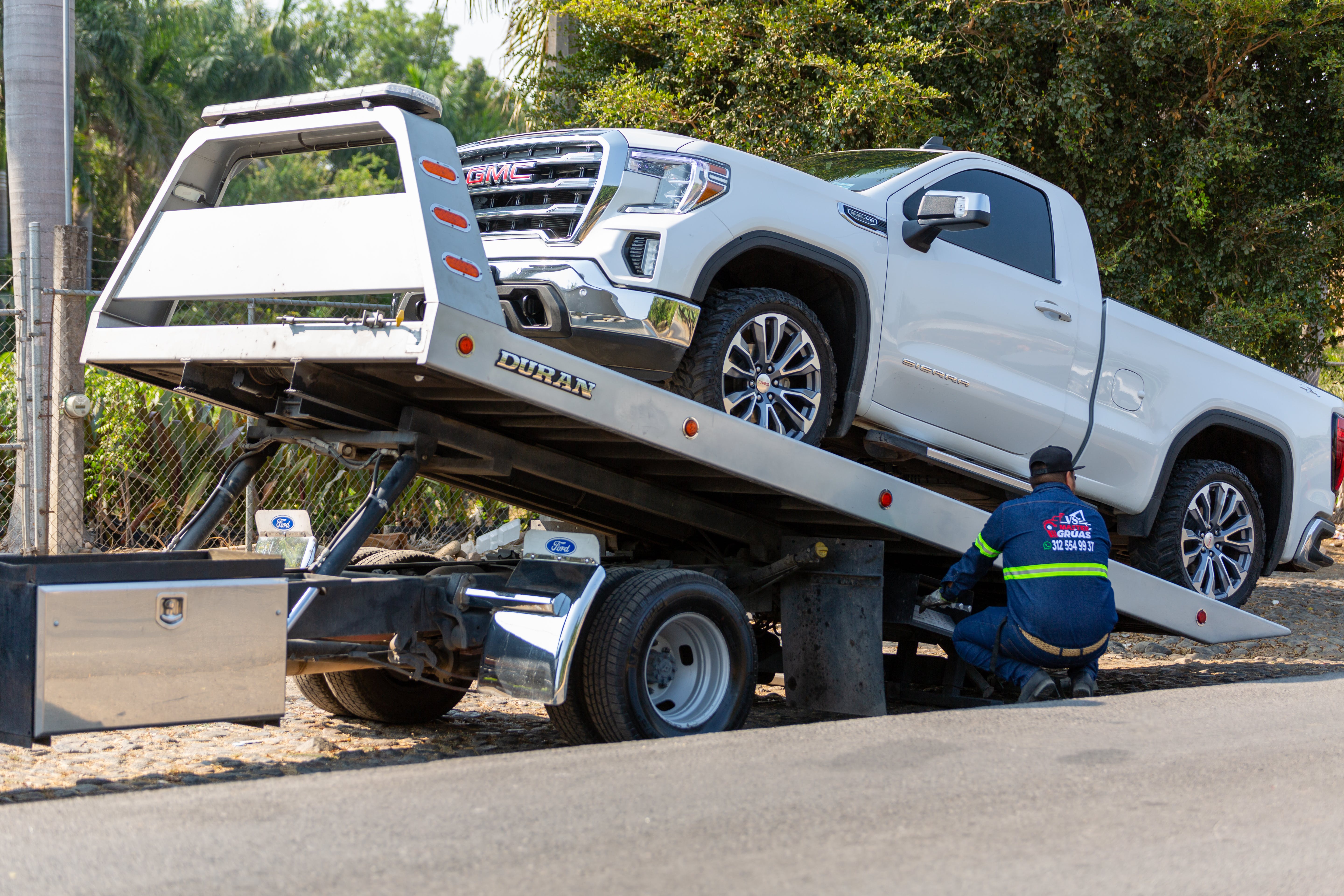
These are two of the biggest “pains” when you have a car breakdown. How are you going to get your car to the repair shop? How will you get around while your car is in the repair shop? In our area, a tow service can start at $80 to “hook up” and $3 per mile. A rental car can be ~$50 per day (including taxes and fees). These “pains” are also two expenses that do not go towards the cost of repair—you have incurred these fees and haven’t even fixed anything yet. Ouch. Of course, a plan that “covers” these expenses for you looks attractive!
Tip #1: Confirm the fringe benefit coverage.
When shopping for your plan, look at the fine print. Who pays for the tow service? Do you have to pay for it and get reimbursed? Does it cap at a specific dollar amount? If the breakdown is not covered, is the tow still covered? Is there a maximum number of tows per incident—what if you tow it to your home while you find a reputable auto repair shop?
The same applies to your rental car coverage. I have come across outdated contracts that still have rental cars at $35 per day. Some other questions you may want to ask are when does rental coverage start—does it start at vehicle drop off or when repairs are approved? Is there a maximum allowance? Some contracts only allow rental coverage when the labor guide time will be more than a certain number of hours. Your car could be at the shop for several days waiting for approval, but if the labor guide says the repair takes four hours, that could mean no rental car coverage.
These answers need to be in writing in your contract. Since the salesperson is not the agent who authorizes repairs or claims, anything they say to you really doesn’t matter.
The Whole Package
Affordable and easy. That is the idea behind many of these programs. The salesperson wants to help find the package that fits your budget and your needs. They may be called different things like Bronze, Silver, Gold, or Platinum. You may hear Basic, Standard, Comprehensive, Premium, and Ultimate.
One thing I want you to keep in mind is that the salesperson is usually NOT a repair expert. They may not know your car, your systems, and what you need.
TIP #2: What kind of coverage do you really need?
The level of coverage you purchase depends on what you are looking for and what your car is equipped with. Most basic plans are usually “drivetrain” only. What does that mean? Well, that means the engine, transmission, and differentials would be covered. As it is basic, it is just that. Basic. The guts of those parts are covered, meaning an internal failure would have to occur. I want to pause here. When was the last time you recall having an internal failure of a major component? Now, is this the type of coverage you need? In most cases, the answer is no.
Modern cars have more electrical parts like modules and sensors. Consider the difference in cost between a basic plan and something more robust that covers electronics and all systems. Look for something that will cover the exterior parts of your major components too. Something else to consider would be programming your computer-related parts. When modules and sensors are replaced, programming may be required. A good plan will include parts and services along with the necessary repair.
Here is an example: A Mini Cooper overheated. The client had an extended warranty policy. The cause of the overheating was covered (parts and labor). When the engine overheated, it damaged the power steering module. The power steering module replacement was also covered (parts and labor). However, module/computer programming was not covered in the client’s policy. While it was necessary to make the new module work, it was just not covered, and the client had to pay out of pocket on top of her deductible.
The Process
Different extended warranty companies have different processes for filing claims. Regardless of whether the auto repair shop initiates a claim online or by telephone, they all begin with the same thing. Car identification, policy or contract number, current mileage, and reason for visit. Where they begin to differ is in the authorization process. Some companies are easy; it is cut-and-dry. This part failed, this is the cost to repair, here is your authorized amount, and here is your authorization number. Others…not so much.
Tip #3: What is the claim process?
The first thing I let all my clients know is that the warranty company will expect a diagnosis to be performed. You, the client, must authorize the diagnosis and your warranty company may cover the fee if it is a covered repair. What does that mean?
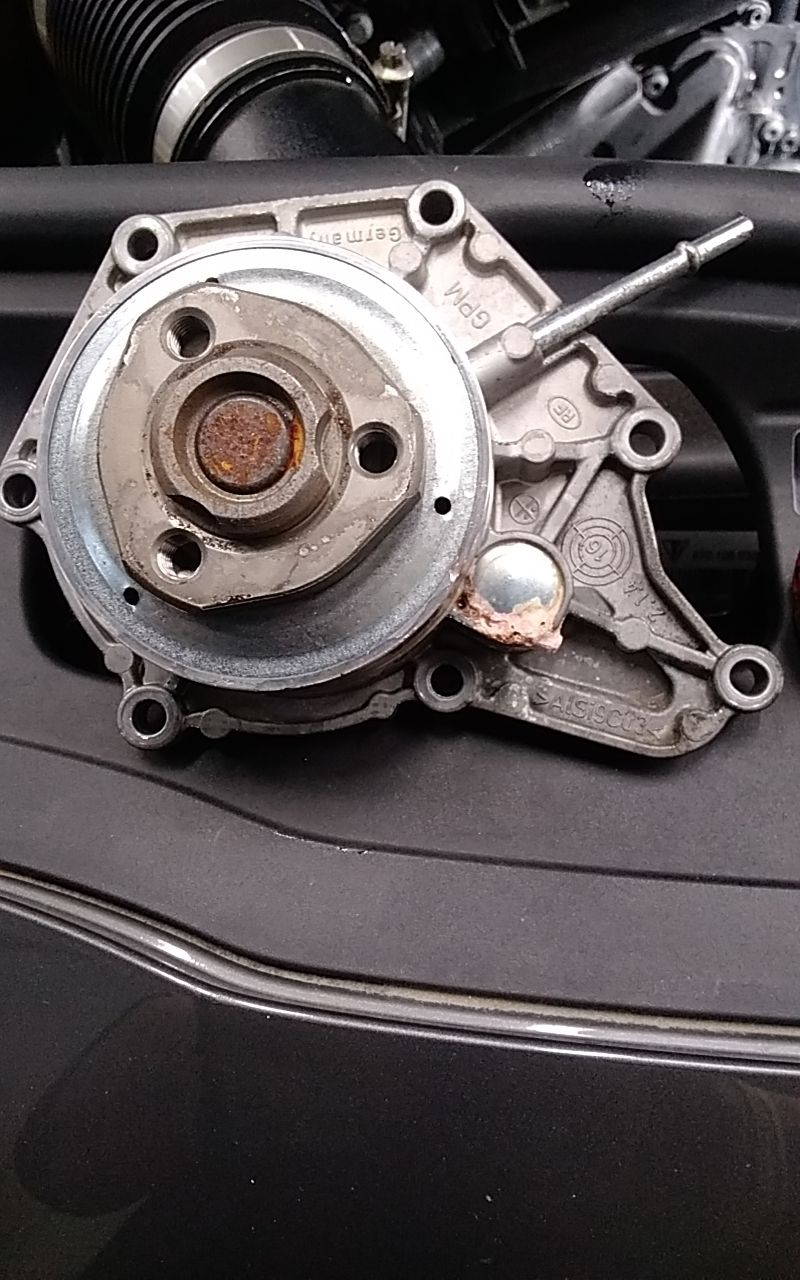
Your car is overheating. You authorize the fee for me to test and determine why it is overheating. I found out it was a water pump. I called your warranty company and told them you need a water pump. I give them the cost of the test, and the parts and labor for the water pump. It is covered. The warranty company picks up the cost of the diagnosis fee you authorized. Or the opposite:
The water pump is NOT covered. You, the client, would be responsible for the diagnosis fee. The claim is closed, and the repair is between me and you.
Tip #4 Read the fine print.
When it comes to the claims process, there is a lot of fine print. Here are a few things I thought I would share with you. Some companies allow their claims adjusters to authorize up to a certain dollar amount. Once an estimate reaches that threshold, the process stops. Cold. There is a clause in most contracts that allows the warranty company to send an adjuster out to inspect the car. This step takes up to two business days. The warranty company contracts with an outside adjuster who sets up a day to come to the repair shop and inspect the area of repair. The adjuster will take images and write a report. Then, this goes back to the warranty company for authorization. How does this affect you, my client, and me, the repair shop?
Your car has been disassembled since the original diagnosis. It has remained that way, waiting for the adjuster for two business days. It remains that way until the adjuster’s report gets back to the claims department where an agent will decide if your repair will be authorized or not. This part of the process can add up to 4 business days to just the authorization. Your car still has to be repaired.
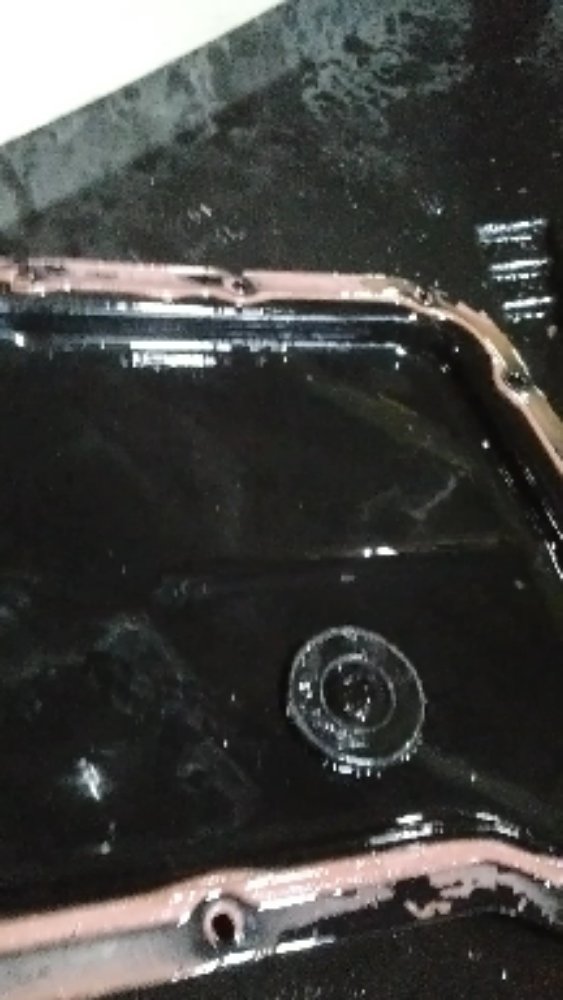
Radiator & CondenserSubaru Transmission Pan that is disassembled and waiting for an adjuster to perform an inspection.This is a Transmission Assembly that is out of the car.
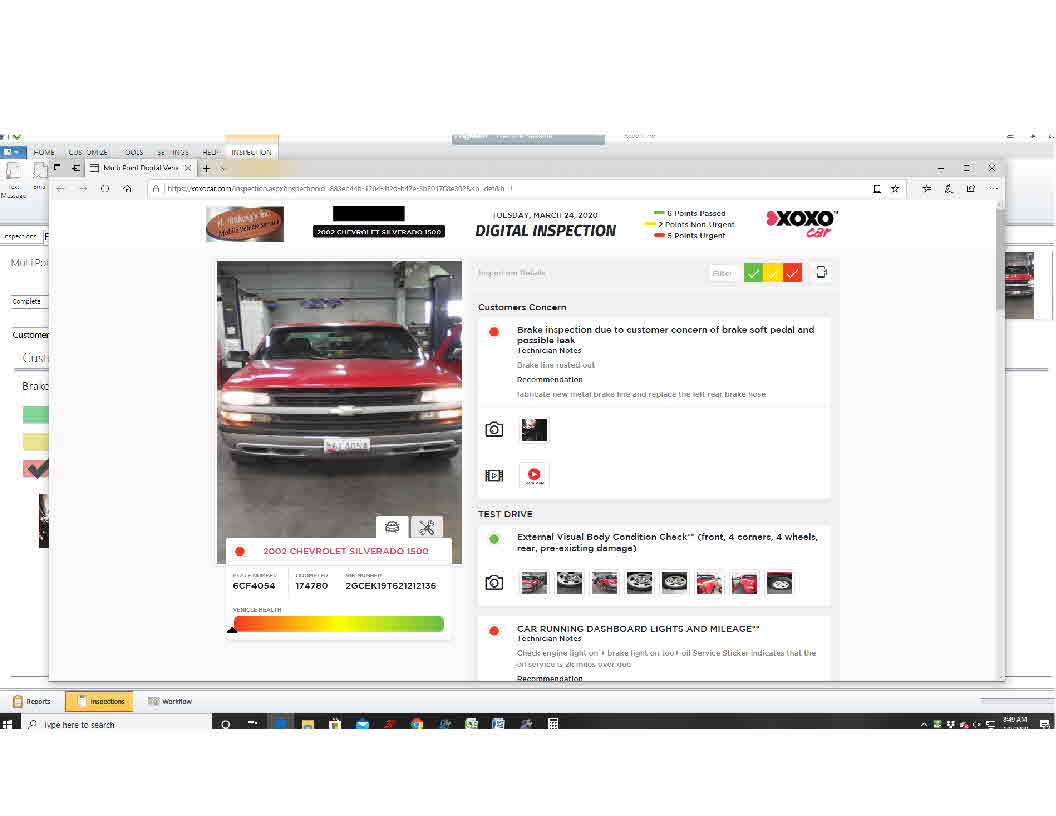
I do my best to avoid this time delay by sending images directly to the warranty company. All our services come with Digital Vehicle Inspections. My technicians can capture images and videos, and organize them into a detailed report. We then send a link to an email or cell phone for both the client and the warranty company.
Another part of the fine print details coverage amounts. There is a misconception again in the advertising and sales pitch about coverage. The warranty company does not set the auto repair shop’s rates and fees. Just like you cannot go into a restaurant and tell them how much you are going to pay for the Surf and Turf, another business cannot dictate what a repair shop can and cannot charge. Some warranty companies will pay the repair shop’s posted labor rate. Others may pay up to a specific dollar amount. When it comes to parts, it is very similar. The company will pay up to a specific dollar amount or want to use their supplied part. How does this look in print?
When is free not really free?
I keep my clients informed every step of the way. The estimates and invoices that I submit to the warranty company look exactly like the ones I give to my client. I may submit an estimate to my client (parts, labor, tax, and fees) of $595.62. I submitted the exact same estimate to the warranty company. The warranty company states they will pay $450.00 less the client’s $100 deductible for a total of $350. The client will be responsible for $245.62.
The fine print is very important. Whenever you can, make your contract available to your repair shop. Highlight what is and is not covered. The more I know up front, the better advocate I can be for you and your car. I can set expectations with you in the beginning and clear up any concerns you may have before we begin.
I want to get your car repaired and back on the road as quickly as possible, whether you use an extended warranty company or not. Should you have one, I want you to get the benefits from your policy. My ultimate goal is to take care of you and your car. Your car is one of your biggest investments. My team and I can be one of the partners you choose to protect it. We are here for you!
High Prices–we meet again. I see you have brought your friend, High Interest Rates. This trend seems to be happening across the board with everything consumers want and need. The automotive industry is no different. How is that affecting you, my Automotive Family?
Do I buy and sell cars? No. Do I want you to service and repair yours? Well, yeah but with a caveat. It must be good for all of us–you, your car, and my company. Let’s break that down. While we are at it, let’s look at some frequent questions that pop up along the way.
(Image courtesy of Pexels)
There is a difference between car repair and car maintenance. Car repair happens when a part or system on your car is no longer doing its job. Systems are diagnosed, parts are replaced, systems are repaired, and your car is back to normal operation. Car maintenance, or preventive maintenance, happens at specified time and mileage intervals. Parts and systems are serviced before they reach the end of their useful life. My goal is to keep your vehicle in the maintenance category. Overall, maintenance has a lower Cost-Per-Mile than repair. Routine car maintenance prevents repairs (outside of normal wear and tear). It also extends the life of your car. Would you believe you can get 20 years and 300,000 miles or more out of your car? Believe it!
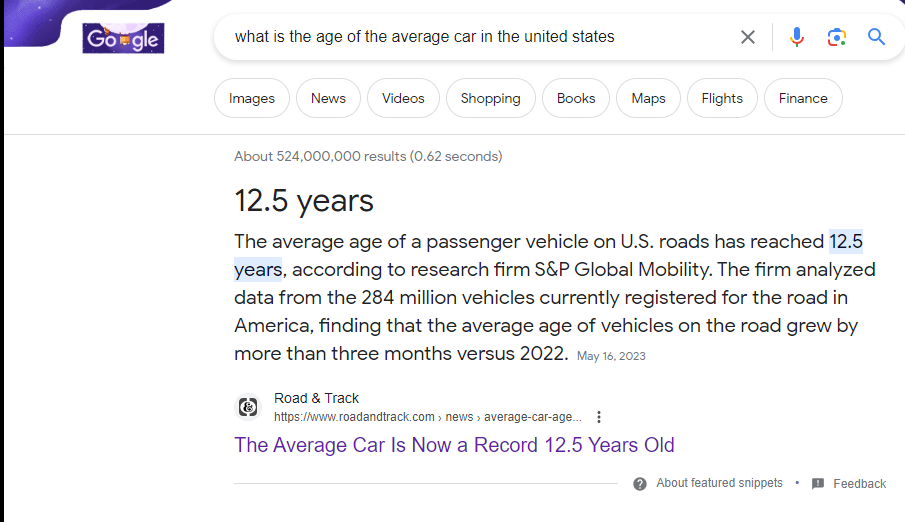
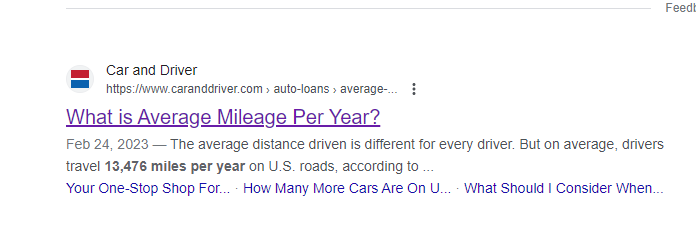
According to Road & Track, the Average Car is now 12.5 years old. That means there are some older and some newer. Car & Driver says the average motorist drives about 13,500 miles per year. With these stats, it is safe to assume the average car has roughly 168,000 miles on it.
(Road & Track: What is the age of the average car in the United States?)(Car & Driver: What is the average mileage per year)
She just said, “Cost-Per-Mile.” What does that mean? You caught me. I like math. Looking at what you invest in a vehicle this way will help keep your comparisons consistent. You have a tool available that will show you what your car costs you per mile. This tool can also be used when deciding whether or not to replace your vehicle. I find it extremely helpful when making a purchasing decision.
By 150,000 miles common wear and tear items should have been changed also. These would be things like your Brakes, Tires, Spark Plugs, Shocks and Struts. Thinking about common time frames for these items helps determine the Cost-Per-Mile I mentioned earlier. I can help you find your Cost-Per-Mile with a Customized Plan or you can use a quick calculator at Edmunds.com
What happens if an Automotive Family member has a big problem like an engine or transmission failure? This is usually when we take a look at vehicle replacement cost versus vehicle repair cost. First we talk about the service history on the current vehicle; you know your car. Next, we talk about vehicle replacement options: would you purchase something new or used?
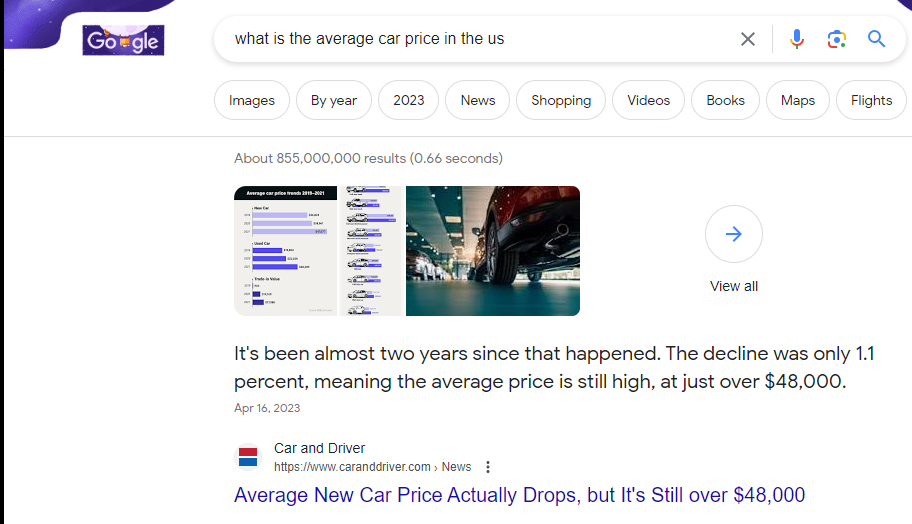
To get an understanding of what the car market really looks like, I did a little digging. Car & Driver states that on average, the new car price is still over $48000 as of March 2023.
(Car & Driver: What is the average car price in the US)(Market Watch: What are car interest rates in the US)
Market Watch states that new auto loan APR rates range from 5.18% to 14.08%. Used car prices are higher than ever. Good used cars are hard to find. Used car rates range from 6.79% to 21.32% (again Market Watch). These rates will of course depend on factors like credit score, type of vehicle, and length of loan to name a few. Why are car prices the way they are? Let me preface this by saying I am not an economist but, here are a few educated guesses.
During COVID (AHHH the C word), factories were repurposed to create PPE for rapid and mass distribution. New car production, part production, and equipment production slowed. In our area, specifically, there was a rapid increase in pre-owned (used) vehicle purchases among the public. Those who once relied on public and mass transportation found a new need for private transportation in the name of social distancing and actual transportation as mass shut-downs loomed. A shortage was born, and the effects of supply and demand bloomed. But I digress…
(image courtesy of Pexels)
I ask my clients to look at the costs of repairing and maintaining their current car and compare it side-by-side with replacing their car to find out if it is (as I lovingly say) cheaper to keep her. A brand-new car comes with some variables. You have the car payment, sure. You also have higher insurance. A used car that you will finance is very similar. Both have one thing that you still have to add in: the cost of maintenance and repairs. Remember when I said “you know your car?” You do not know the used car (previously owned, new-to-you). I call this the “devil you know versus the one you don’t.” Most used cars will come with a Car Fax report. This report will show any service and/or accident that has ever been reported to Car Fax. The opposite is also true: if it wasn’t reported, it will not be there. A Pre-Purchase Inspection is your best tool to get an idea of the used vehicle’s condition.
(image courtesy of Pexels)
Think back to my earlier breakdown of the average car and what some of the common maintenance and wear-and-tear services were. Any “new-to-you” (used) vehicle that is 5 years old and has 75,000 miles or more is going to experience all of those services and repairs I mentioned. To find the true cost, you need to add up all of these expenses that you will have over a specific time frame. Use a 5 year period if you would like (it is the one Edmunds.com uses). What would you spend on your car (if you did the BIG expensive repair, plus routine maintenance, and normal wear and tear) over 5 years? What would the replacement car cost (payments, maintenance, repairs) over 5 years?
An example of the 5-Year Calculator found at Edmonds.com
This process creates the space for logical and informed decision making. Whichever route my Automotive Family members take, they know they have a great team of experts on their side.
What I like the most about this process is that it speaks to the transparency I like to offer at my auto repair shop. In a time where every little bit matters, my team and I want you to get the most you can out of every mile and every penny. You do not need a catastrophic car problem to use this tool. Let’s look at what your repairs and maintenance are really costing you and get that Cost-Per-Mile as low as we can. Let me and my team create a custom plan to take you to 300,000 miles and beyond!
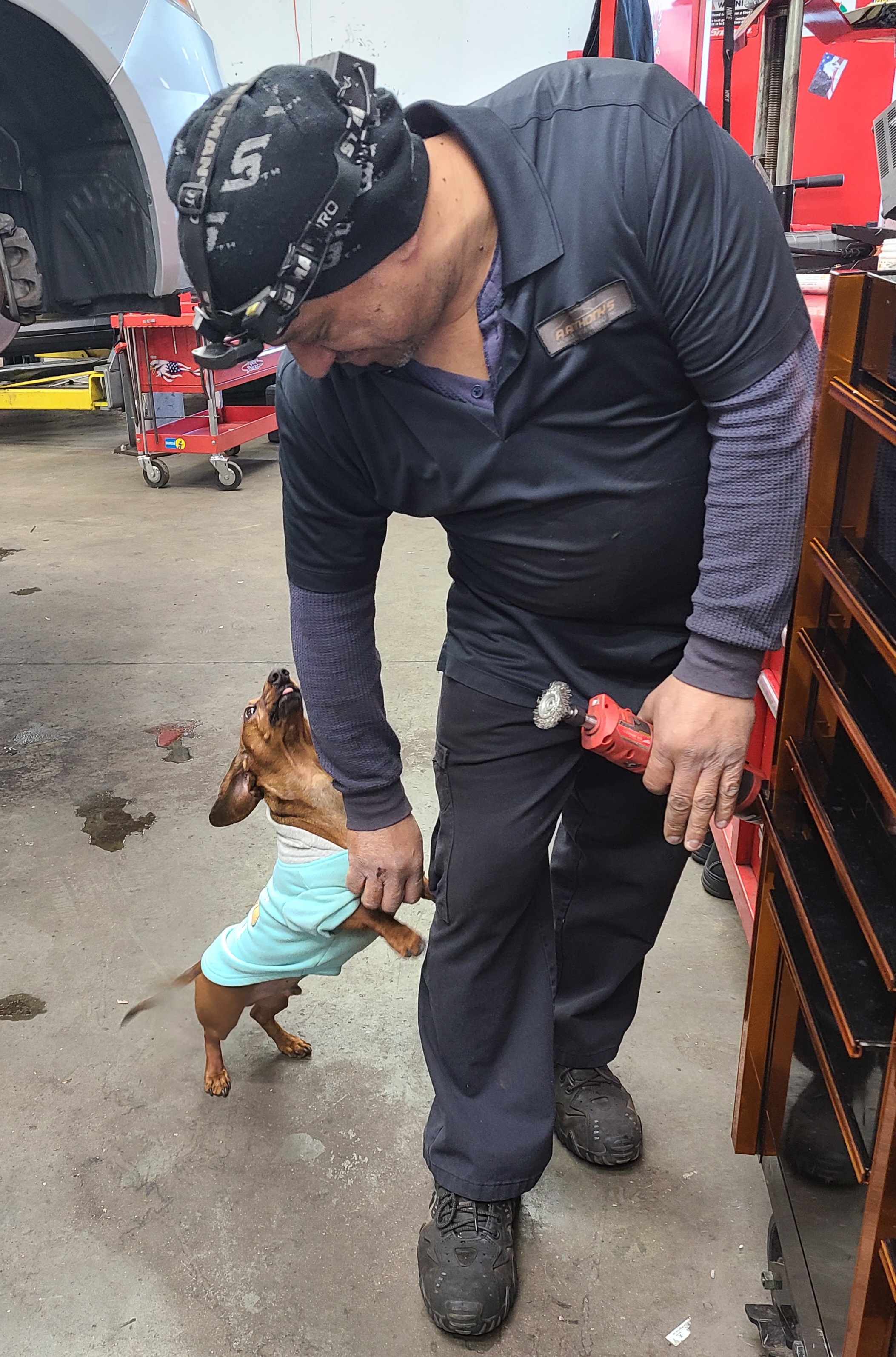
All service must come with treatsMeet our new content creator, Auggie“It should be Grease In His Fur…”
What do you think about when you hear “car alignment?” Most people probably only think about getting an alignment when their car has an issue like pulling or drifting. Second, I would guess people think of alignments as something they get when they purchase a new set of tires. What about the rest of your car’s life? Did you know that making an alignment part of your car maintenance routine can benefit your car and your pocket? Let’s dive in.
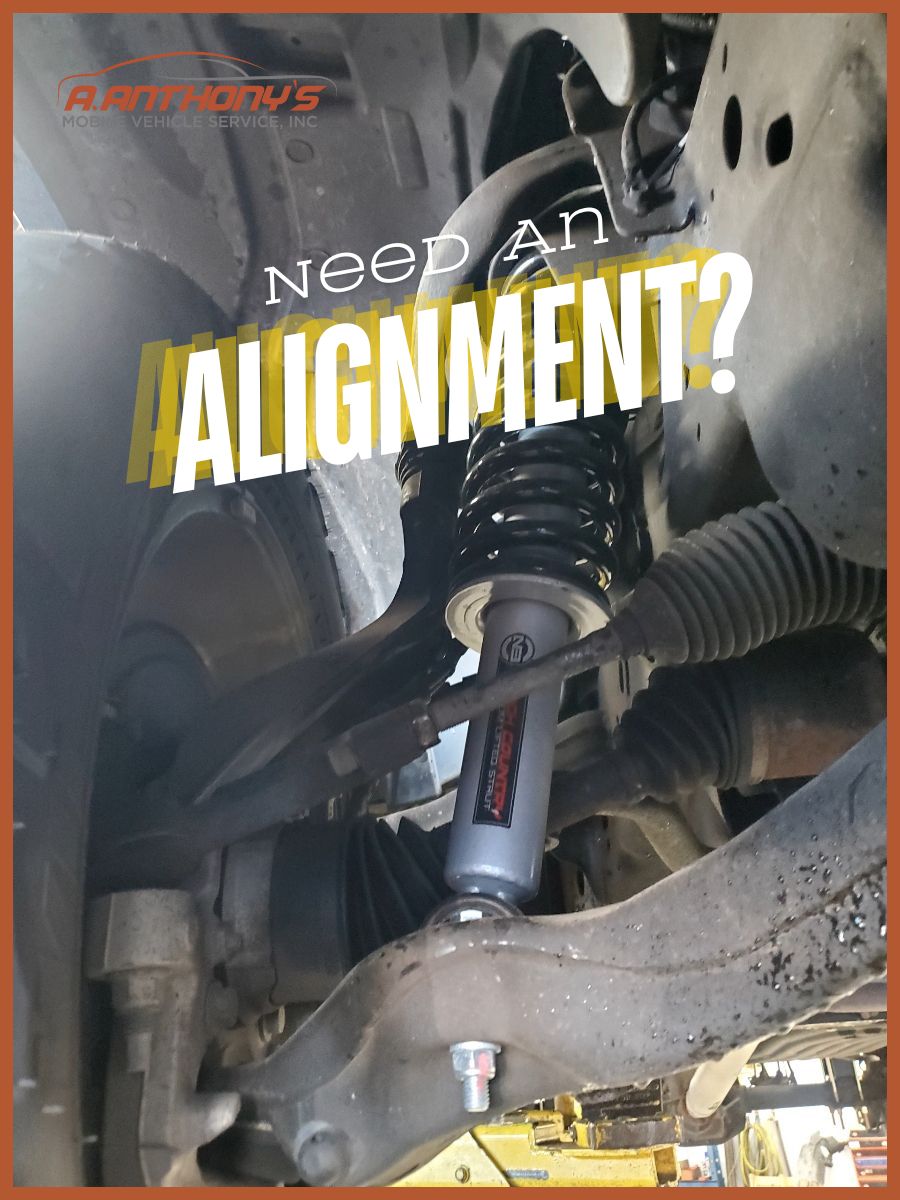
What Is A Car Alignment, Lower Control Arm, Auto Repair Near Me, Mechanic Laurel MD, A. Anthony’s Mobile Vehicle Service Inc
What is a car alignment?
First, I want to define an alignment. In terms of your car, it is setting specific parts to specific angles and measurements. Technically speaking, these measurements are the toe, caster, camber, and thrust angles. Your car’s manufacturer has determined the best angles and settings to optimize performance and handling down to the tenth of a degree.
Why, then, do we only address them when our cars are pulling or drifting, or when we buy a set of tires? Okay, we also get an alignment when a suspension or steering part is changed, like struts or tie rods, but you get my point. Precise measurements to the tenth of a degree…How much do those measurements really matter?
Note: If you are clumsy like me, do not try this at home. Take your feet. Stand up. Point both big toes inward and walk forward. Feels SO wrong. Okay. Now, turn your left foot out and your right foot out and walk forward. It still feels awkward. That is how I would simplify the toe setting of a car–when it is within specification, your feet are pointing straight ahead. Leaning your body to one side or the other would best represent camber. Depending on which way you lean would represent positive or negative camber. But imagine walking that way. Okay now. Fix your posture, quit slouching.
Toes InToes OutLean to One SideLean to the Other Side
So, I have been able to bring to life two parts of your car’s alignment that make them a little bit more relatable. When you walk pigeon-toed or lean, it strains you and your body. Kind of like sleeping wrong and getting a crick in your neck or having one pant leg get a hole in the bottom from always dragging the ground–maybe that’s just me.
The strain is no different on your car. Let’s say your alignment is out, just a little bit. You barely notice it. You continue to drive on, not really paying much mind to that minute shift in your steering wheel. Whatever the root cause was is there and won’t just magically go away. In fact, until a mechanic addresses it, it will progress and may start taking other parts with it. Let me give you an example. True story…
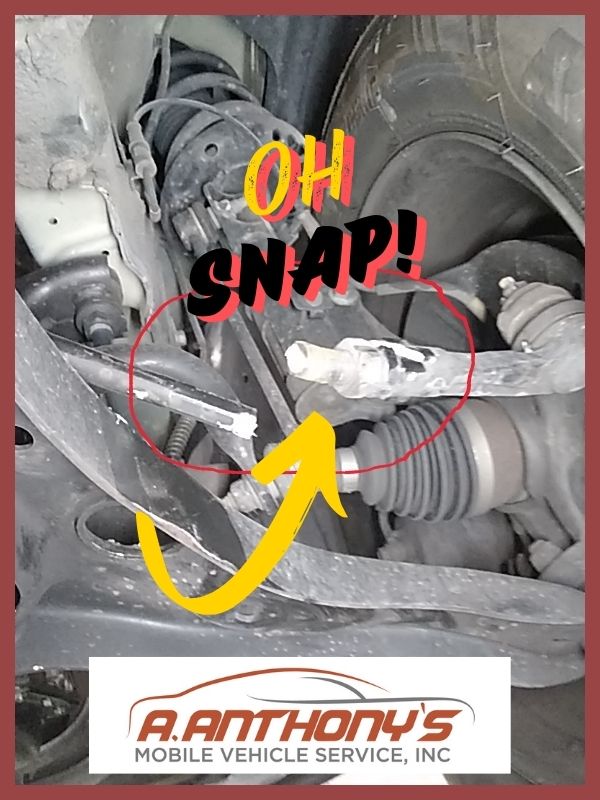
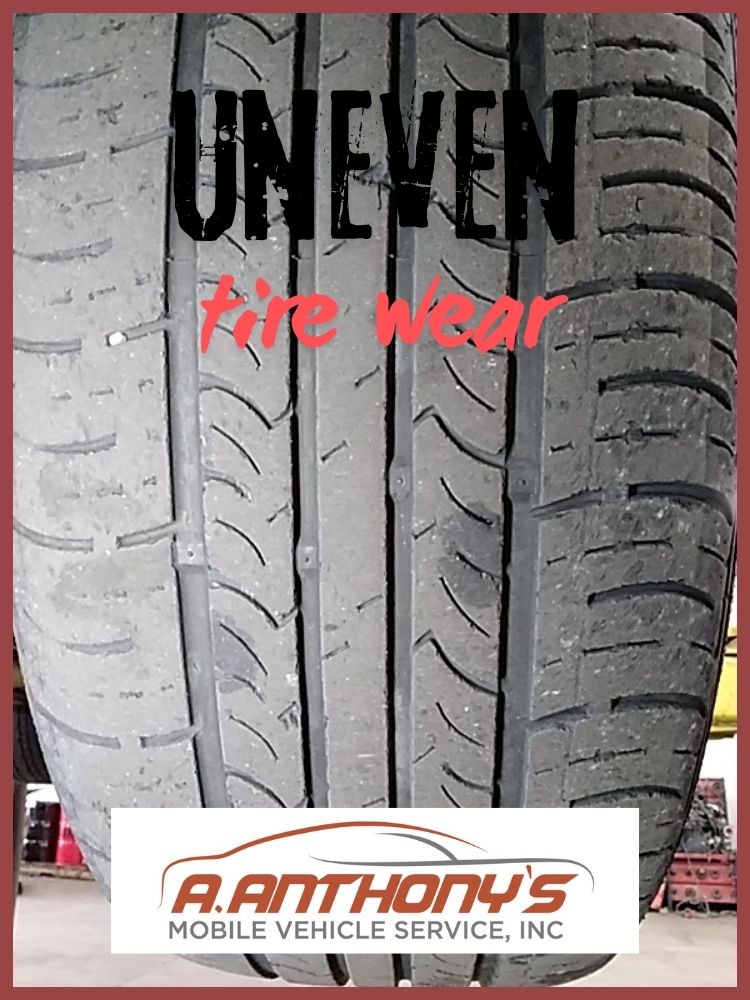
My little car–not the Mom Tank, was due for service. It hadn’t been in the shop for a while (whoops–life happens, I’m human too). I noticed a bad shimmy. It felt like the front end was dancing along to my road singing. One of the tie rods had excessive movement. The tie rod attaches to the steering gear rack and pinion and the wheel. When the tie rod end first started to fail, it probably would have felt like a slight vibration and maybe would have made a little noise. Had I caught it early enough, I could have replaced the tie rod end, aligned the car and called it a day. Since it had gon on for so long and been left unaddressed, the tires had worn on the outside edges. Now, I needed a set of tires, and the tie rod, and the alignment. This just became more expensive than it needed to be.
Sometimes, an incident like hitting a curb or a pothole can cause your alignment to shift. Other times, worn parts lead to excessive movement in your suspension and steering. Here is a funny one: habitual driving! I used to enter my driveway the same way every day. Now, I alternate how I enter my driveway and save wear and tear on my suspension, steering and alignment life.
Tips To Help:
To sum it all up, alignments are beneficial. You even save a few pennies in gas from not over steering or fighting your own car as you go down the road. Here are some other ways you can save.
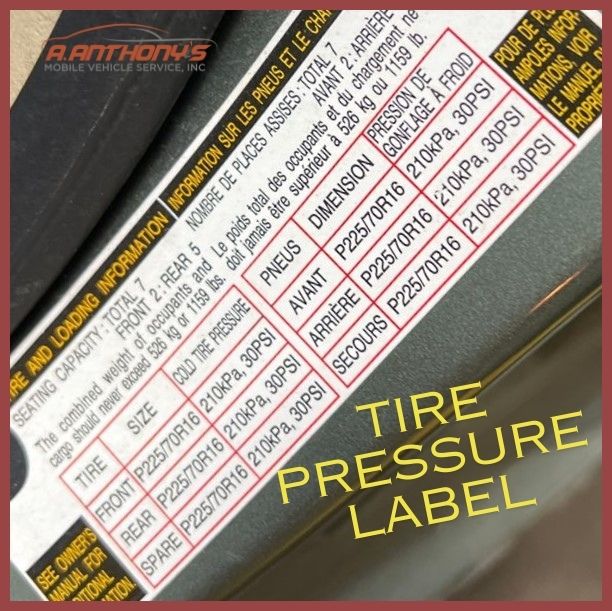
Your tires play an important role. Start by maintaining proper tire pressure and checking the pressure regularly. Correct tire pressure promotes even tire wear, which will affect how the steering feels.
Balancing the tires regularly keeps the weight distribution around the axle even. Routine tire balances reduce friction which helps maintain even tire wear and prevents premature suspension part wear too.
Lastly, go ahead and get a routine alignment. Whether it feels off or not, make this part of your annual car care health. The benefits of keeping the alignment measurements correct include spending less money on tire replacement, suspension, and steering parts.
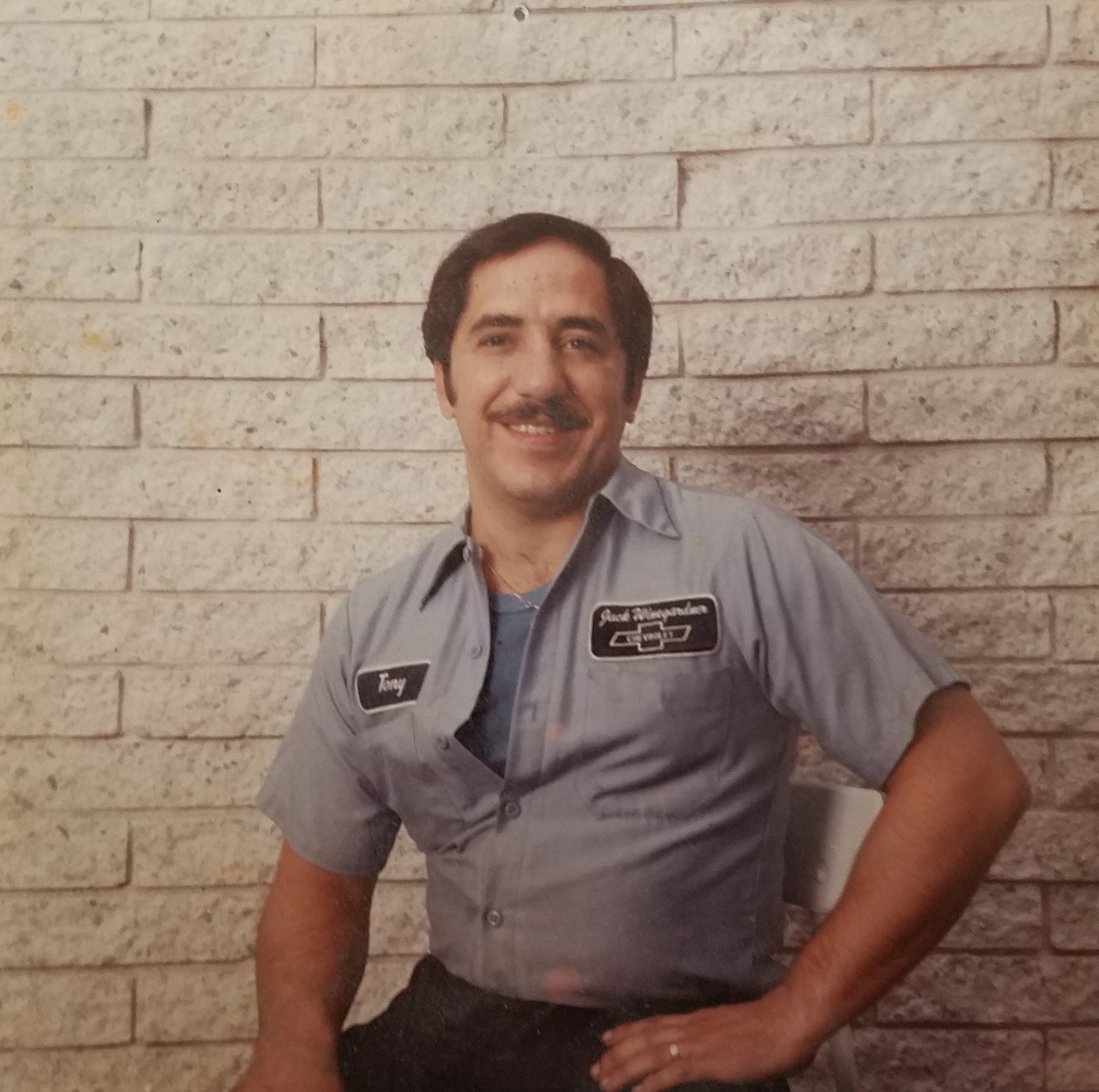
In 1988, my dad started our company. As an ASE Master Technician, certified in 8 categories and diesel, he bought a trailer and loaded it with his tools and dreams. A. Anthony’s Mobile Vehicle Service Inc was born.
Vintage Car Image Courtesy of Pexels
To Say that cars and trucks were different then is an understatement. I would venture to say that in that era, vehicles were more mechanical based than computer based. Sure, they still had their fair share of electronics and sensors. However, routine maintenance or a starting and charging system concern was a relatively easy roadside service.
Driver Information Center and Warning LightsDiagnostics Beyond Code ReadingLive Data DisplayModern Vehicles Require Computer and Mechanical Skill
Fast forward to modern vehicles and you have multiple on-board computers, modules, sensors and networks that control everything on top of the mechanical components that have to work in harmony. Being a mechanic in today’s automotive world means knowing whether a vehicle needs a computer-based repair or a mechanical-based repair and how one affects the other.
Let’s look at a common repair–brakes. Most modern vehicles are equipped with electronic brakes. It may not sound like a big deal, but there is a computer-based process to properly disengage the brake system before doing any disassembly. Or, stated another way, the mechanic has to use a computer before he or she can replace your brakes.
Here is another one that should seem simple–batteries. Pretty cut and dry right? Maybe not. Hybrids and EVs aside, you would be surprised at some of the oddest locations batteries are located. You can now find them in the trunk, under the rear seat, or in a wheel well just to name a few.
Some batteries are located under the hood and are easily accessible. Others have “jump-points” and the batteries are located in remote locations.
Recently, more and more vehicles require a system relearn or adaptation when the battery is disconnected or replaced. The relearn could be in systems like power windows, throttle position, and codes or PINs to unlock the media and entertainment system.
image courtesy of Pexels
My point is this. Yes, roadside service is an amazing convenience. I should know–we built our business on it. With the evolution of our industry and my commitment to taking care of people, I take each roadside request individually. I consider several factors to determine if a mobile service is right for you.
What type of vehicle do you have?
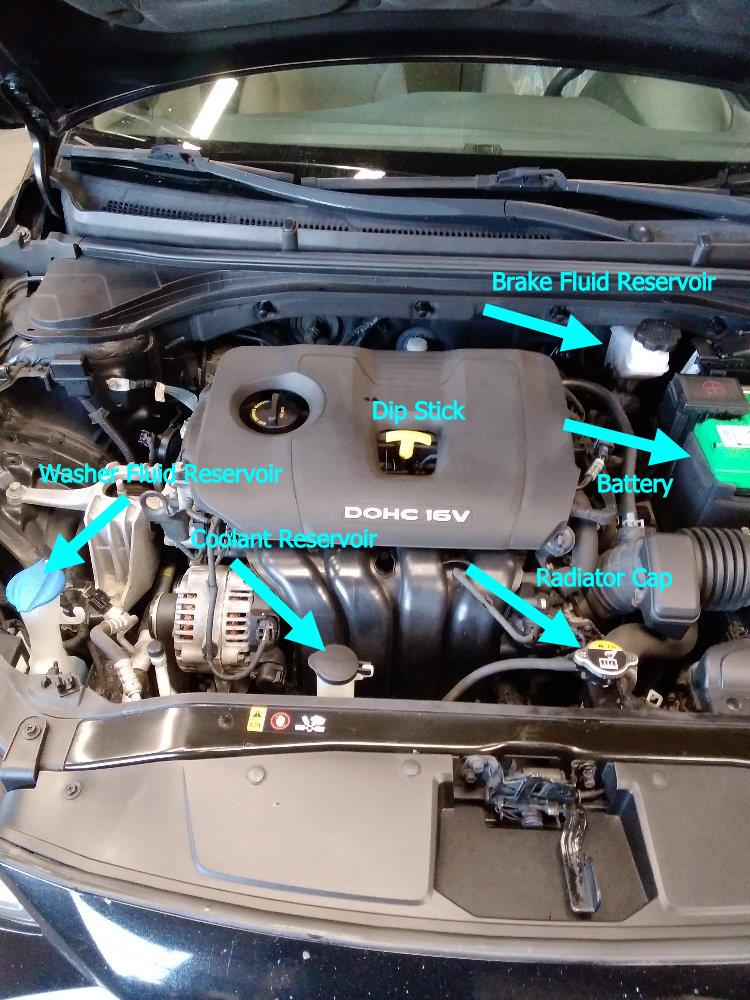
The type of vehicle matters. It will determine how accessible the components of your vehicle are to the mechanic. Have you ever opened your hood and seen nothing but plastic covers and shields? More and more vehicles have similar debris shields that cover the complete underside of the vehicle as well.
2. What concerns are you having?
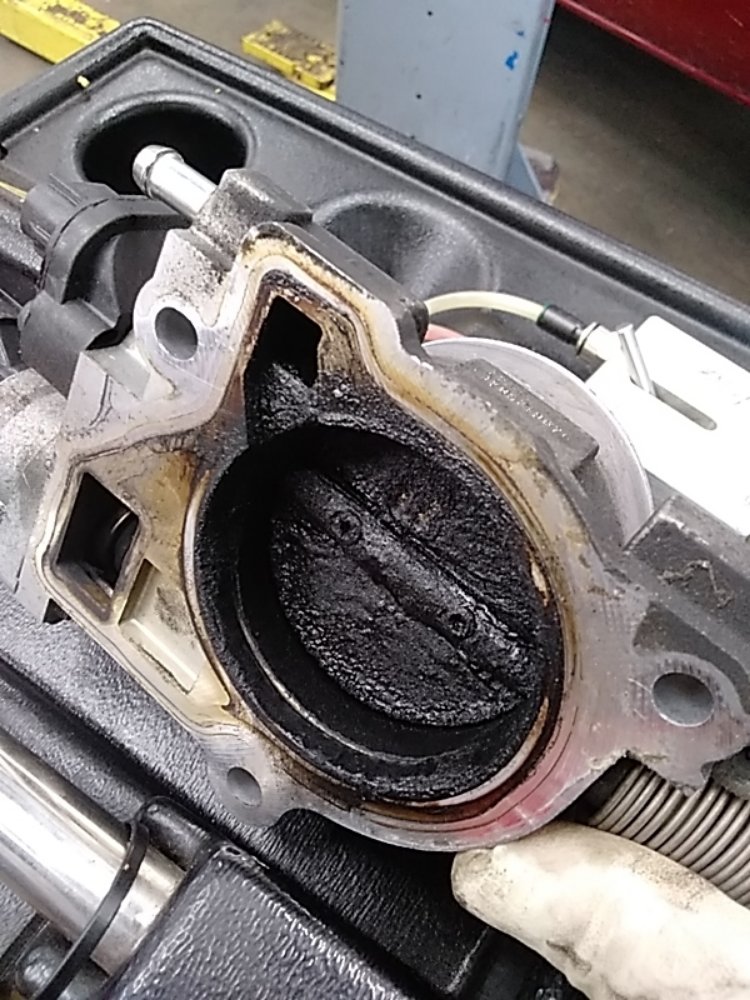
Colorful Spaghetti or Electrical Wiring? (photo courtesy of Pexels)Clogged Throttle BodyEngine Performance Concern
There is a difference between what can be repaired or serviced roadside and what should be done roadside. We talked about battery locations and relearning above. There are other factors I take into consideration. Fuel system repairs, electrical or wiring tracing, and engine or transmission repairs are examples of things that really should be taken care of at the shop.
3. Where is the vehicle located?
Some neighborhoods, parking lots, and structures do not allow mechanical repairs. Some locations may not have an area where the mechanic can safely perform the repair that you request or need.
Busy Highway (image courtesy of Pexels)
4. What are the weather conditions?
The snow is beautiful. It is great for snowmen, snow angels, snow balls…oil changes? Not so much. Image courtesy of Pexels
Inclement weather conditions like rain, snow or freezing temperatures will definitely affect roadside service. If “Fixing Cars Is What We Do” and “Taking Care of People Is Who We Are,” that means we look out for our clients and our team.
5. Best Benefit?
The goal is to address your car service, repair or maintenance needs in the most time and cost effective way possible. If you have ever had any other type of repair come to you–a plumber, an electrician, an HVAC technician; there is typically a service fee that does not include diagnosis or repair. It is no different with a mobile mechanic. What I have found is that a road service fee and a tow fee are pretty comparable in price. I have also found that most clients also have towing coverage through companies like AAA or their car insurance. If it makes more sense for your car to come to the shop and it saves you time and money…well you know what I am going to recommend.
The place where the magic happens
I realize we live in a click-and-ship world where convenience truly is king. With the changes to the automotive world, I believe not everything is meant to be at your door. However, that does not mean we cannot redefine mobile service…
Let’s talk about redefining mobile service in my next article. See you there!
If you would have told me I would see something like COVID-19 in my lifetime, I would not have believed you. But…here we are. Not only has it changed the world, it has also changed the way we deliver car care. In my opinion, that change has been mostly for the better.
We are in this together
We slowed down here at the shop. While I was fortunate to keep a full staff, that slow down really put things into perspective. This became the time to truly “walk the talk.” For the past 32 years, my shop has prided itself on being a family-owned business. As a leader, I promote and constantly talk about being a “family-first” business. So, at the onset of COVID-19 my mission had become how to best protect our families. A full staff would mean absolutely nothing if I could not keep them all as safe as possible here. In my previous posts, you see that I call my clients my “Automotive Family.” My mission included them too. What does a family do in a crisis? That’s right–they take care of each other. Keven, my Service Director, and I reached out to client after client just to make sure they were okay and had what they needed. There, my friends, was a lightbulb moment:
This is the type of behavior humankind should always exhibit.
Over the past 7 months, I have seen the CDC guidelines and social distancing measures done all kinds of ways and in many different businesses: grocery stores, restaurants, parts stores, banks. Some get it right. Some REALLY knock it right out of the park! So, what is it that sets the winners apart? It comes back to service–finding a way to deliver the highest level of service, and we did that for our entire “family.”
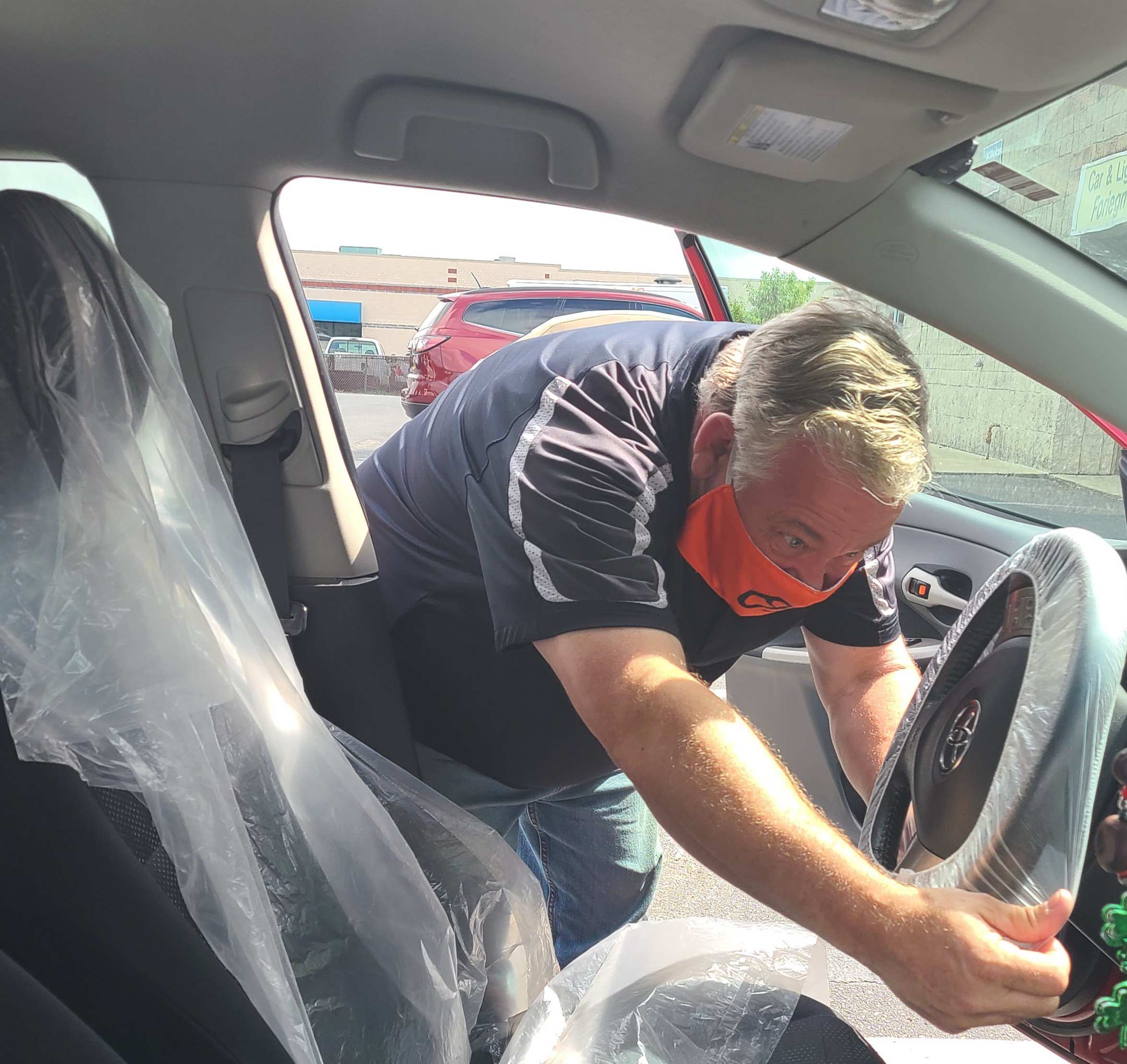
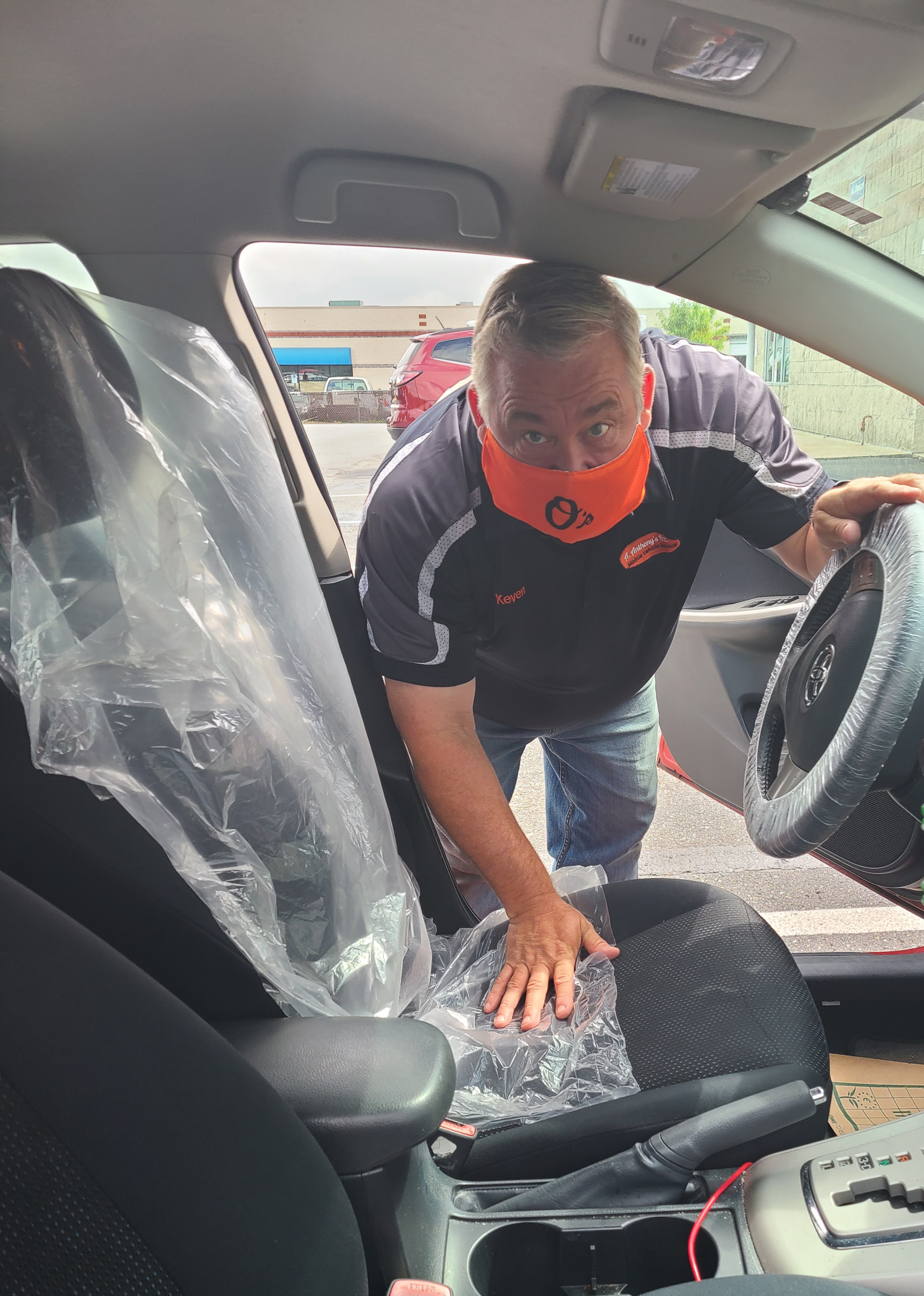
Car Care in a COVID-19 world is different. It must be. We come into contact with so many cars each day, and you come into contact with your own squad of people each day too. I developed three layers of protection between you and my team, and I did it without losing the personal touch I spent my 26-year career creating. Even as our state and county began the phased re-opening, I opted to keep that 3-layer system without losing the humanity and kindness we found when we called just to say “hello,” and “are you doing okay (not your car, but you.”
Steering Wheel Covered
Touch Points Sanitized
Seat & Floor Covered
Here we are several, several months later and traffic patterns are just about back to what they were pre-COVID. Despite the rise in telecommuting, I see more and more cars on the road every day. As this banner year continues and we enter into cold and flu season (possibly COVID-19, Part II) taking care of each other is the new standard. I want to keep the service bar raised high. As my Automotive Family, you should expect no less. In case you have not had the chance to see for yourself, my team’s service is different. You should expect your car’s common touch points to be sanitized–not just covered. You should expect to know what we use to sanitize your car. You should feel invited to join us or use our “touchless” amenities–or both. Last, but certainly not least, you should receive amazing car care.
You have heard me say it before. I believe in doing what is good for the car, the client, and my company. So, when I am faced with the request of “can you squeeze me in for an oil change,” I will not say no. I will, however, take an opportunity to teach you why this is not good for you, me, or your car.
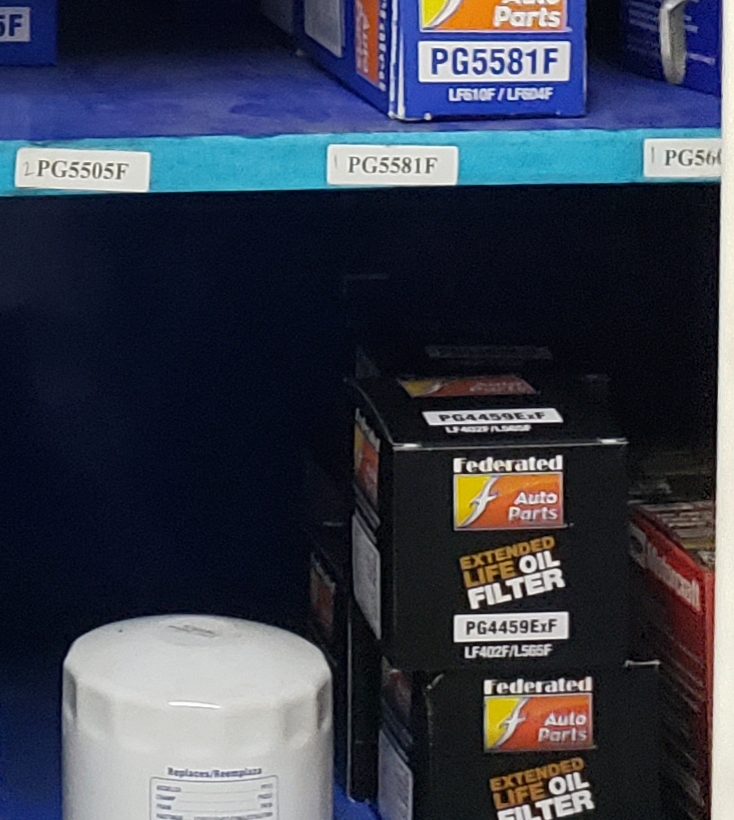
There are many types of oil filters on the market. Traditional spin-on, cartridge style, extended life and more. The heart of your vehicle deserves the right filter, not the cheapest.
About 2 years ago, I stopped doing oil changes and started performing oil services—at a minimum. It isn’t because I do not want to do an oil change, or I want to charge more money. It is actually far from that. Your car is not designed to just have the oil changed—especially with the change to Synthetic Blend Engine Oil, Full Synthetic Engine Oil and Detergent Engine Oil. Service intervals are changing.
Unless your car is still using Conventional Engine Oil, you are not coming in to see me every 3 months or 3,000 miles like you used to. While I miss you terribly, that is okay. The new minimum is every 5 or 6 months or every 5,000 miles—but we are going to dig a little bit deeper. Have you every opened your glove box and read your owner’s manual? The material is not exactly captivating, but it is informative—especially if you want to get the most out of the life of your car. In it, you will find what services get performed and when. These services are broken down by time, mileage, and in some cases by indicator. I mention this to you because it is the system I use to determine what service I will recommend when you come in to see me for your “Oil Change.” I have your car’s entire owner’s manual in my computer database, including Technical Service Bulletins and Safety Recalls.
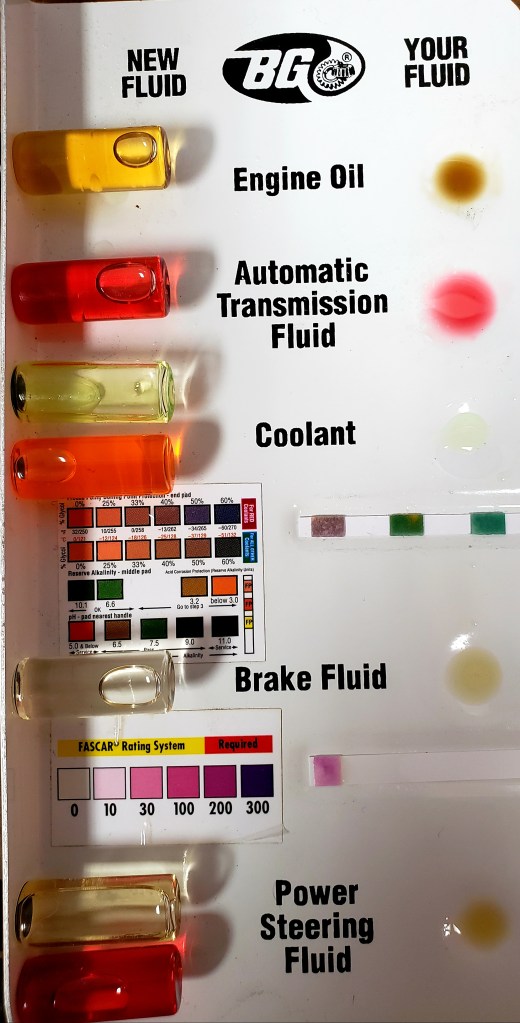
The fluid samples on the left show brand new fluid. The fluid samples on the right are fluids taken from a vehicle. Test strips are used to tell if the fluid is still healthy, beyond using just sight and smell. Your owner’s manual tells you when to change these fluids. Change them before they become dirty and can no longer do their job!
Nowhere in your owner’s manual will it ever tell you to only do an Oil Change. That, my Automotive Family, is why I stopped doing them. Now, let’s talk about some of the chain stores that specialize in Quick Lubes. I have heard, both in my shop and on shop owner forums that clients can get Oil Changes done cheaper. Here is what you are actually getting: your Engine Oil Filter replaced, your Engine Oil replaced, Fluids topped off, and in some cases your carpets vacuumed and your windows cleaned. I am a mom and I love having clean carpets and windows that I can see out of (please forgive me my child, your hand drawings on my windows are great, but mommy needs to see). Those added “benefits” do not add life to your car. They do not let you know what may be needed soon so that you can prepare your budget for upcoming car expenses.
Let’s look at price versus time too while we are at it. The Oil Change shop Near Me may charge, let’s say $19.99 (with a coupon NOTED MOST CARS to get you in the door) to $55 for a quick 20 minute service. Let’s average that: $37.50. That works out to an hourly cost of $112.50.
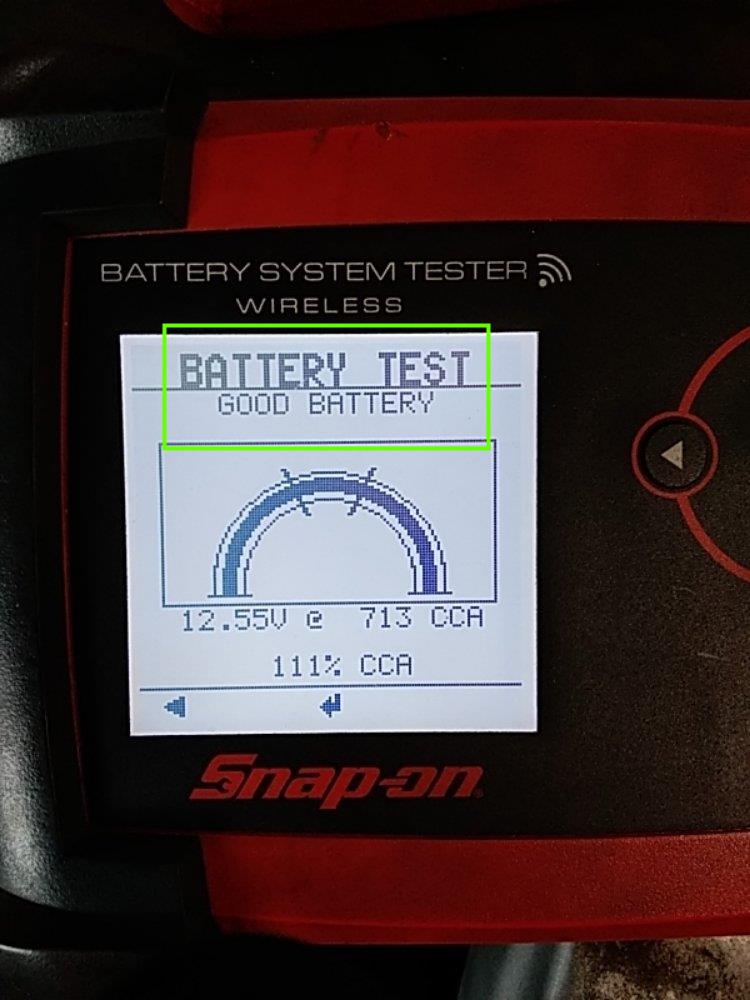
Here is what you get from me when I perform an Oil Service (at a minimum) or a Factory Scheduled Maintenance Service: a 2-mile pre service Test Drive, Battery Test, Fluid Sample Comparison, Digital Vehicle Inspection that covers 30 or more points on your car with pictures sent to you with a full health report, the Engine Oil Filter replaced, the Engine Oil replaced, Maintenance Reminder Light reset, Tire Pressure adjusted, and a 2-mile post service Test Drive. You receive a full estimate of items that require immediate attention and items that will need attention soon so you can stay on top of the health of your car.
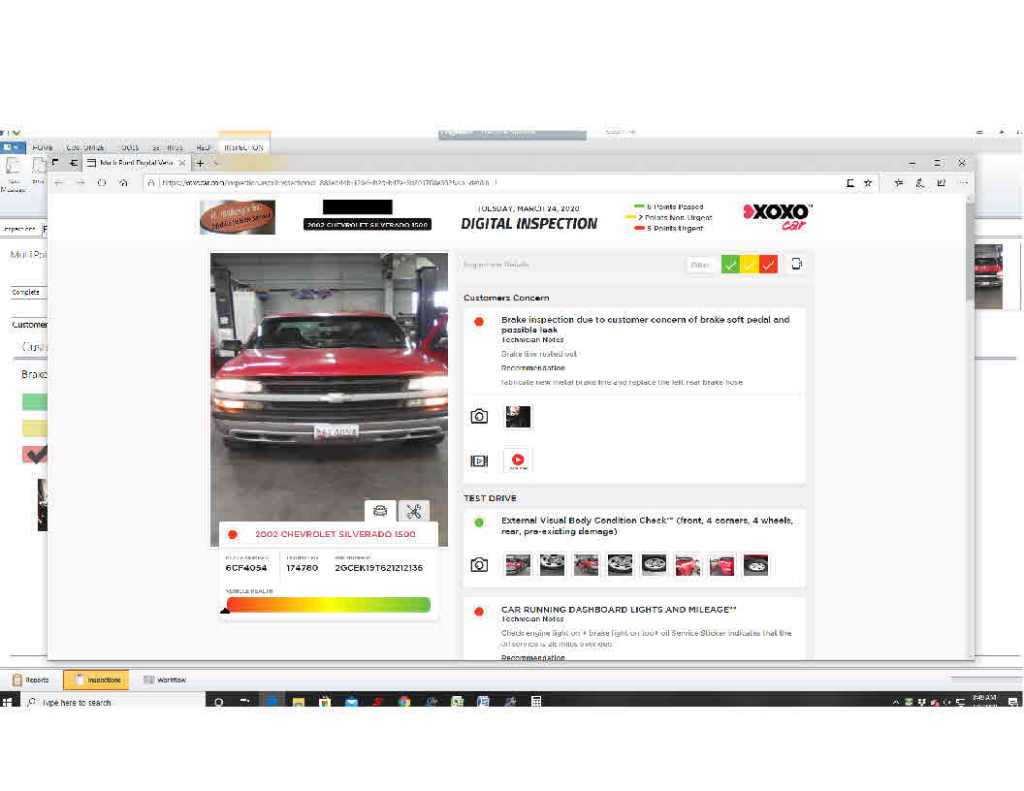
A link to your very own, customized vehicle health report is sent to you by text or email. You see what we see, with pictures and explanations. Red indicators let you know something needs your attention now! Yellow indicators are things you can plan for. Green indicators mean everything is great–and that is right where we want to keep you!
I take longer—about 45 minutes. I cost more. In fact, my service starts at $55 to $110 (without a coupon). Let’s average that: $82.50. That works out to an hourly cost of $110.00. It looks like I am not more expensive than the cheap guy down the road with the coupon after all—and you get more for your money that is…
GOOD FOR YOU AND YOUR CAR!
I can make you these solemn promises. I will never be the least expensive shop. I will always have your best interests in mind when I custom build a maintenance package, recommend a service or a repair for your car. I want to be your partner in the life and health of your car. I want to be your Automotive Home. Come in as a new client. Leave as a new friend. Return as Automotive Family.
We want to welcome you to the family. Visit my website and reserve your oil service! www.aanthonys.com
Did you know your car can talk? It isn’t necessarily a spoken language like English, Spanish, French, or Italian, but it does have a lot to say if you know how to translate what it is trying to tell you. Let me explain.
When I inspect a vehicle, I use all of my senses. Okay, not all of them–taste-testing is not recommended. I replace that one with common sense so I still use 5 of them when I evaluate a car. I put all of the information together to process not just what the car needs, but find out why does the car need it.
Why would that last part be important—“why does the car need it?” It is great to be able to determine what is wrong with the car. However, if you cannot find the underlying cause—why it went wrong in the first place; you will be replacing or repairing the same things again and again.
Carbon Build Up or Soot on the Muffler 60,000 Mile Vehicle
Same Build Up here 149,000 Mile Vehicle
What I see on the outside tells me what your car may need on the inside
A few weeks ago, I had two new clients come in for inspection. Both cars had a lot of black residue on the mufflers. You have probably seen that before yourself and wondered what is the black stuff on my exhaust? Technically speaking, it is carbon build up. A little bit of it is considered normal. However, in both of these cases, the build-up was more extreme. My eyes translated this to mean a couple of things: a possible rich running condition or misfire condition. To take care of my client properly, I would want to pay close attention to how the engine performed during my test drive, if the check engine light was on, and make sure to ask when the last tune up was performed. One client had just had his tune up at his 50,000 Mile Factory Scheduled Maintenance Service. One client was due for his tune up at the 150,000 Mile Factory Scheduled Maintenance Service. By catching and correcting the excessive soot, I am helping prevent wasted gas expense and premature failure of the catalytic converter and oxygen sensors.
Brake Pads, Brake Rotor, Brake Caliper
Swollen Brake Hose is a ticking time-bomb The brake system operates under hydraulic pressure.
One symptom, many possibilities. One right answer.
During a test drive, a car pulls to the right while driving down the road. First instinct would be alignment, right? Let’s see what else the car has to say. I detected a slight burning smell and felt a shimmy or vibration when braking. I also saw the right front rim was darker than the other three. On the lift, the right front wheel does not spin freely by hand either. It is a seized brake caliper. Why did I give you all of that information? My client may ask me for an alignment because his or her car is pulling to one side. What the car says may be something different. Using my sense of smell, feel, sight, and touch I could understand that the car did not need an alignment. It needed the brakes repaired.
I could tell you so many different ways your cars speak to me, all of them fascinating…at least to me. It is why I love what I do so much. Discovering and interpreting what the symptoms mean; diagnosing and pin-pointing the causes; repairing the problem and what caused the problem to begin with; taking care of my clients and their best interests…I get it. I understand cars.
This is one of my favorite work stations
If you car needs someone to talk to, I’m all ears…and eyes, nose, hands…You can click on this link to my website and request a reservation now.
I love this mug too…Yes, I can drive a stick shift. Thanks for reading along! Come see us soon. www.aanthonys.com













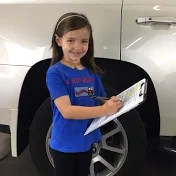








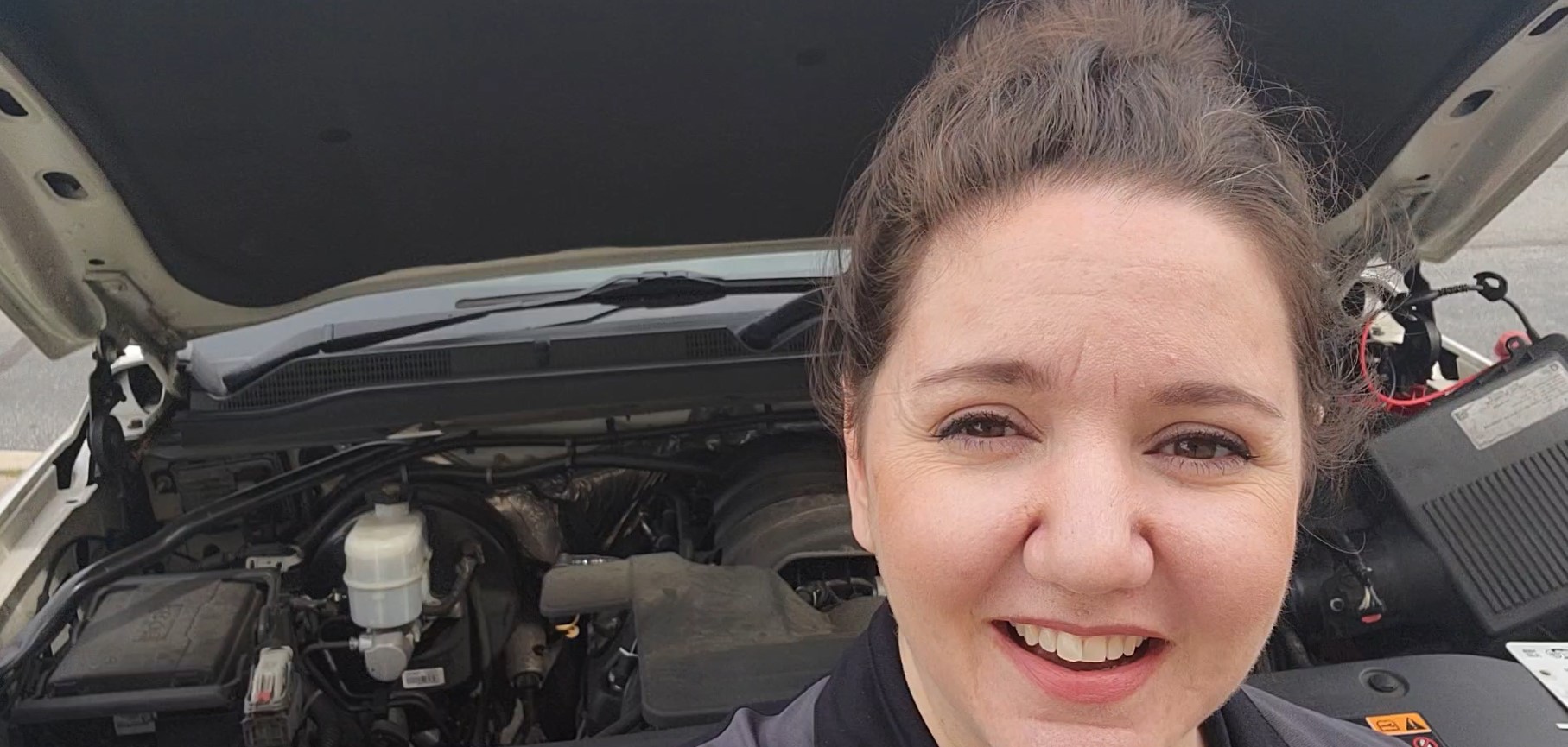



















































 Grease In Her Veins