

Are Car Prices Going Down?

High Prices–we meet again. I see you have brought your friend, High Interest Rates. This trend seems to be happening across the board with everything consumers want and need. The automotive industry is no different. How is that affecting you, my Automotive Family?
Do I buy and sell cars? No. Do I want you to service and repair yours? Well, yeah but with a caveat. It must be good for all of us–you, your car, and my company. Let’s break that down. While we are at it, let’s look at some frequent questions that pop up along the way.

There is a difference between car repair and car maintenance. Car repair happens when a part or system on your car is no longer doing its job. Systems are diagnosed, parts are replaced, systems are repaired, and your car is back to normal operation. Car maintenance, or preventive maintenance, happens at specified time and mileage intervals. Parts and systems are serviced before they reach the end of their useful life. My goal is to keep your vehicle in the maintenance category. Overall, maintenance has a lower Cost-Per-Mile than repair. Routine car maintenance prevents repairs (outside of normal wear and tear). It also extends the life of your car. Would you believe you can get 20 years and 300,000 miles or more out of your car? Believe it!
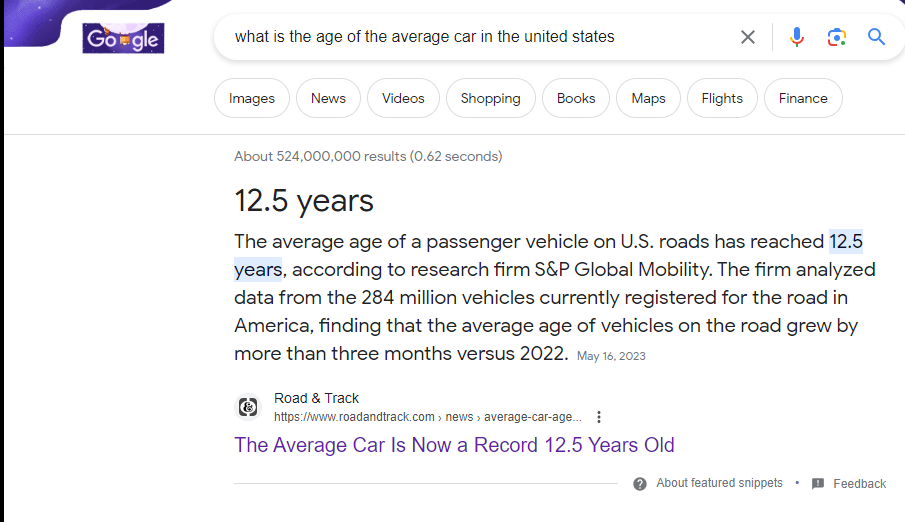
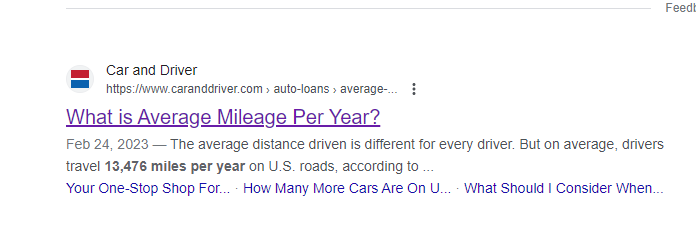
According to Road & Track, the Average Car is now 12.5 years old. That means there are some older and some newer. Car & Driver says the average motorist drives about 13,500 miles per year. With these stats, it is safe to assume the average car has roughly 168,000 miles on it.
She just said, “Cost-Per-Mile.” What does that mean? You caught me. I like math. Looking at what you invest in a vehicle this way will help keep your comparisons consistent. You have a tool available that will show you what your car costs you per mile. This tool can also be used when deciding whether or not to replace your vehicle. I find it extremely helpful when making a purchasing decision.
Let’s take a look at the average car and what some average repairs and maintenance services might be. By the 10-to-12 year mark, all the major fluids should have been changed at least once if not more. Transmission Fluid, Coolant (or Anti-Freeze), Differential Fluids, Power Steering Fluid, and Transfer Case Fluid.


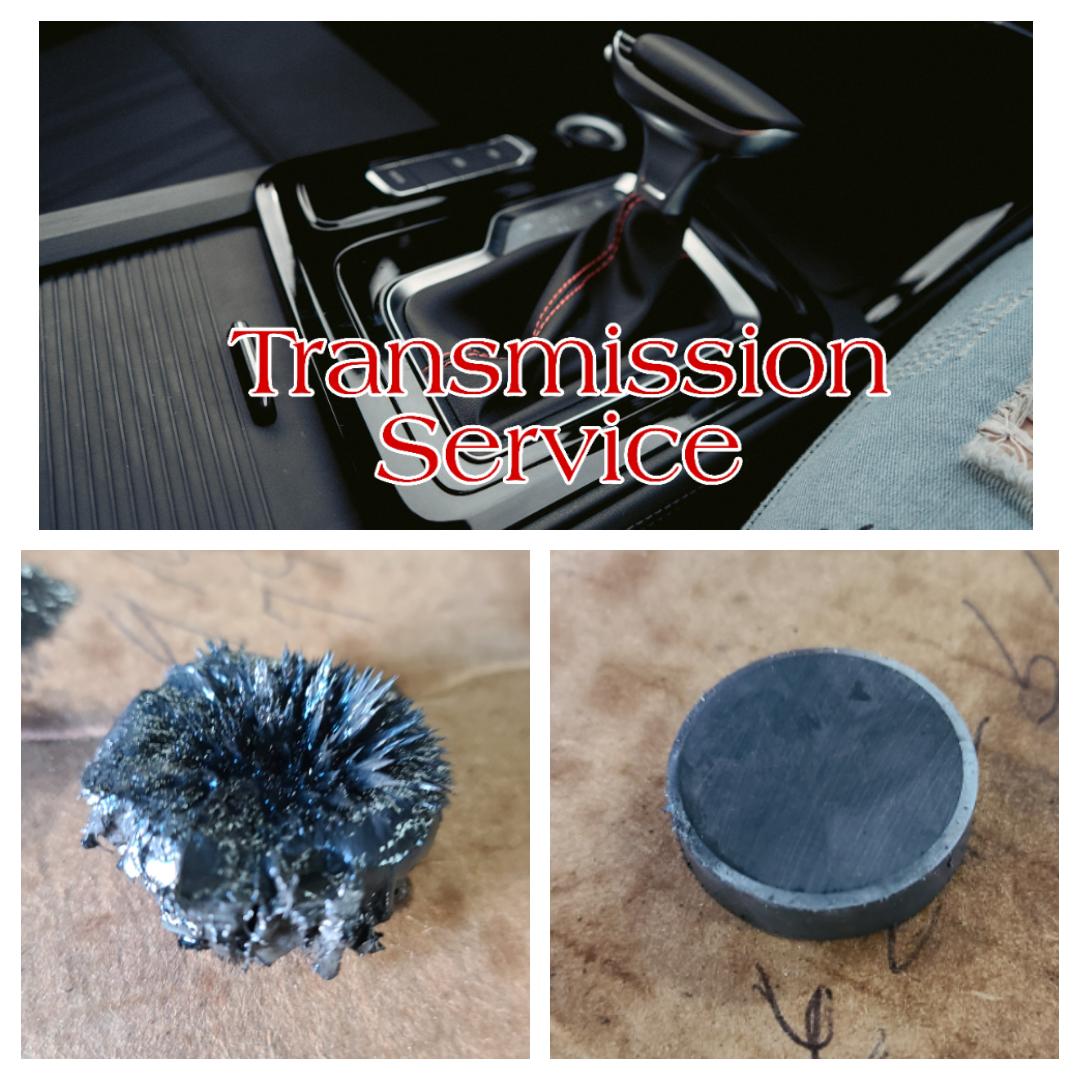
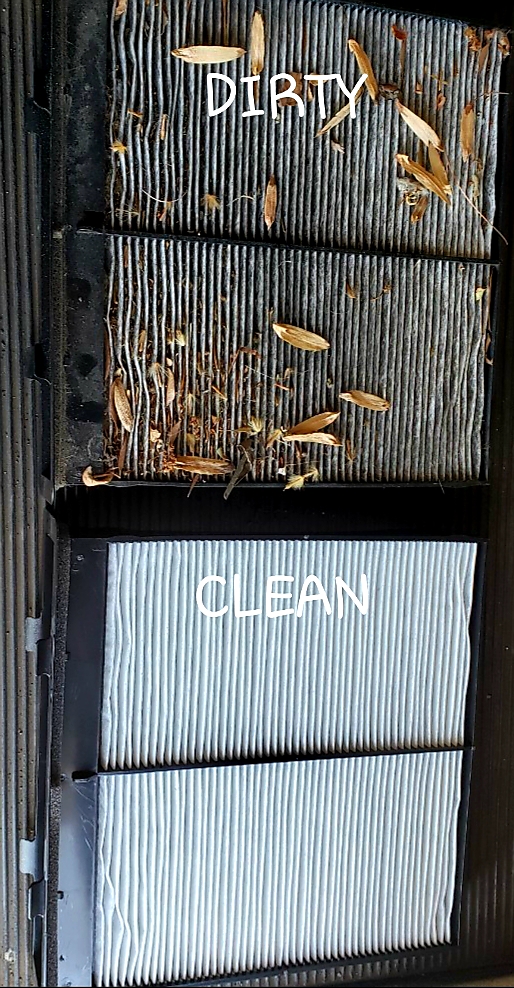
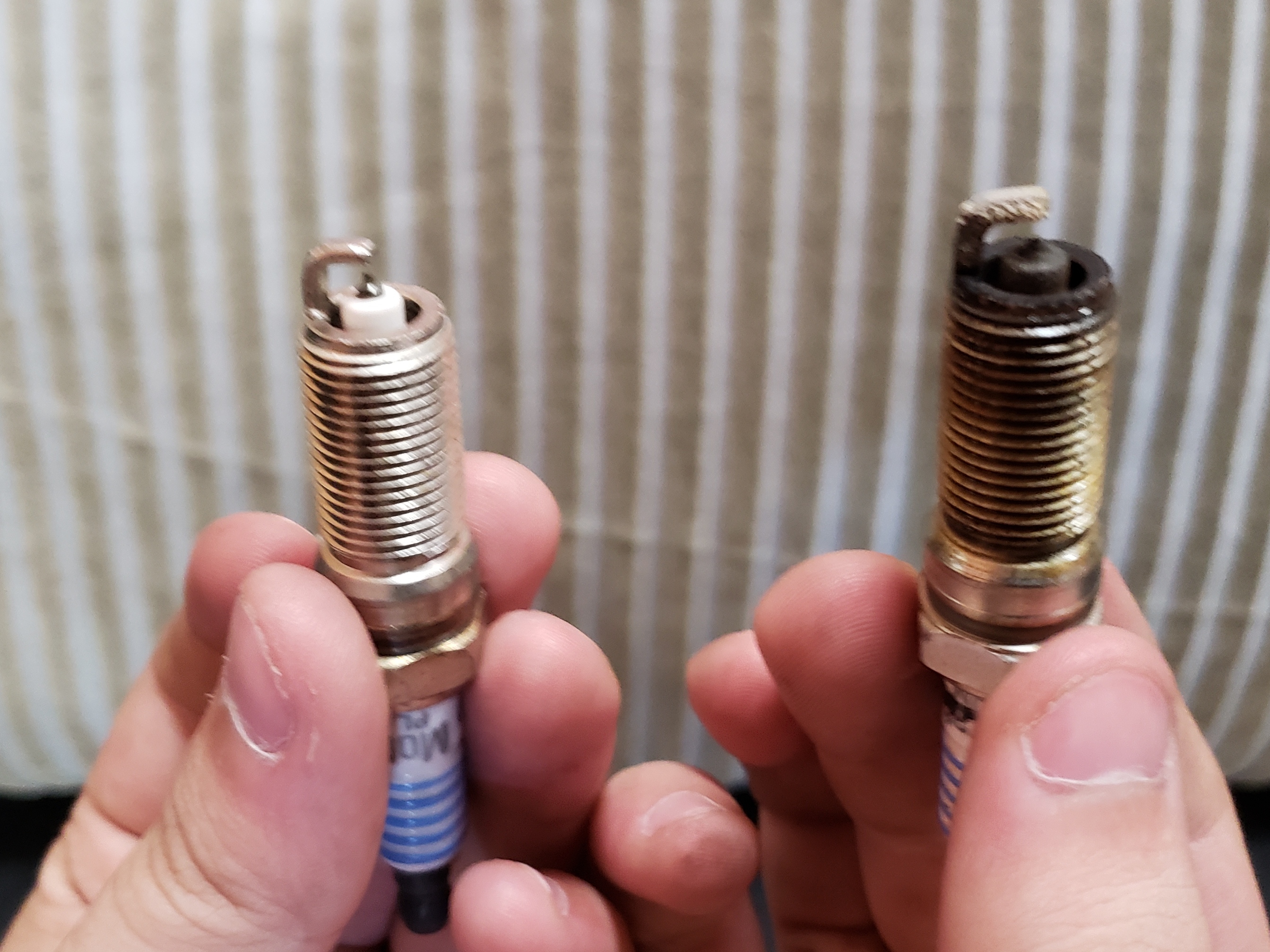
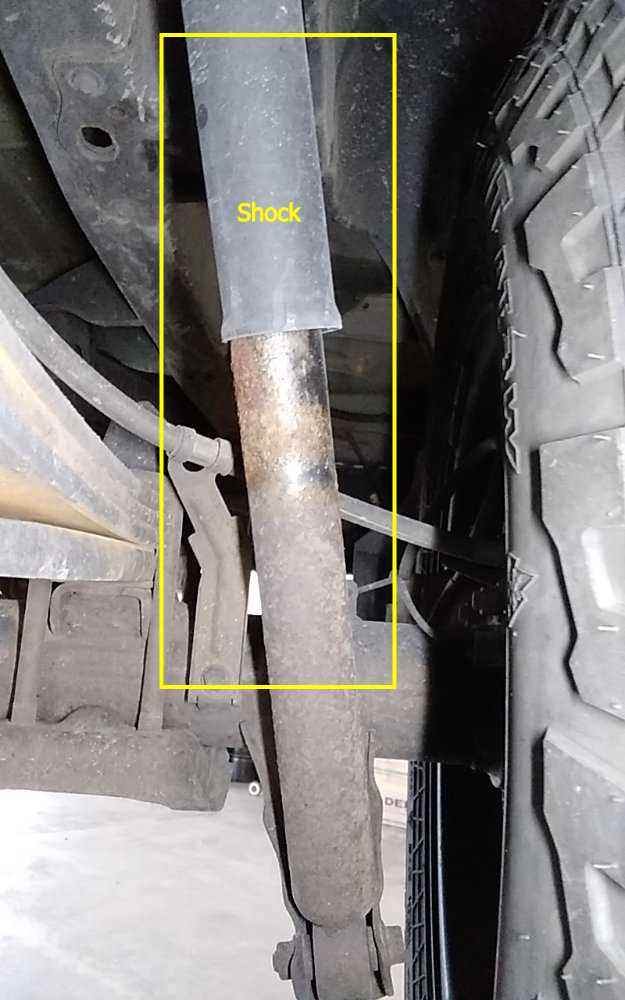
By 150,000 miles common wear and tear items should have been changed also. These would be things like your Brakes, Tires, Spark Plugs, Shocks and Struts. Thinking about common time frames for these items helps determine the Cost-Per-Mile I mentioned earlier. I can help you find your Cost-Per-Mile with a Customized Plan or you can use a quick calculator at Edmunds.com
What happens if an Automotive Family member has a big problem like an engine or transmission failure? This is usually when we take a look at vehicle replacement cost versus vehicle repair cost. First we talk about the service history on the current vehicle; you know your car. Next, we talk about vehicle replacement options: would you purchase something new or used?
To get an understanding of what the car market really looks like, I did a little digging. Car & Driver states that on average, the new car price is still over $48000 as of March 2023.
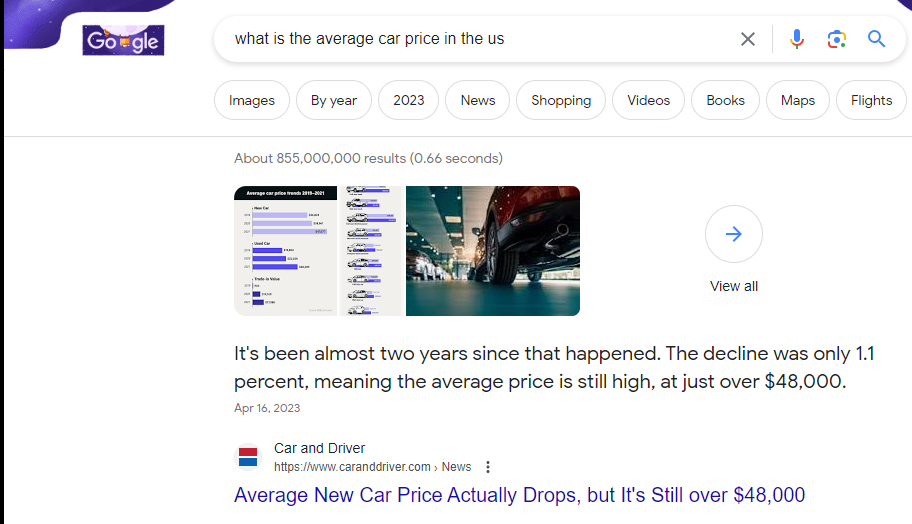

Market Watch states that new auto loan APR rates range from 5.18% to 14.08%. Used car prices are higher than ever. Good used cars are hard to find. Used car rates range from 6.79% to 21.32% (again Market Watch). These rates will of course depend on factors like credit score, type of vehicle, and length of loan to name a few. Why are car prices the way they are? Let me preface this by saying I am not an economist but, here are a few educated guesses.
During COVID (AHHH the C word), factories were repurposed to create PPE for rapid and mass distribution. New car production, part production, and equipment production slowed. In our area, specifically, there was a rapid increase in pre-owned (used) vehicle purchases among the public. Those who once relied on public and mass transportation found a new need for private transportation in the name of social distancing and actual transportation as mass shut-downs loomed. A shortage was born, and the effects of supply and demand bloomed. But I digress…

I ask my clients to look at the costs of repairing and maintaining their current car and compare it side-by-side with replacing their car to find out if it is (as I lovingly say) cheaper to keep her. A brand-new car comes with some variables. You have the car payment, sure. You also have higher insurance. A used car that you will finance is very similar. Both have one thing that you still have to add in: the cost of maintenance and repairs. Remember when I said “you know your car?” You do not know the used car (previously owned, new-to-you). I call this the “devil you know versus the one you don’t.” Most used cars will come with a Car Fax report. This report will show any service and/or accident that has ever been reported to Car Fax. The opposite is also true: if it wasn’t reported, it will not be there. A Pre-Purchase Inspection is your best tool to get an idea of the used vehicle’s condition.

Think back to my earlier breakdown of the average car and what some of the common maintenance and wear-and-tear services were. Any “new-to-you” (used) vehicle that is 5 years old and has 75,000 miles or more is going to experience all of those services and repairs I mentioned. To find the true cost, you need to add up all of these expenses that you will have over a specific time frame. Use a 5 year period if you would like (it is the one Edmunds.com uses). What would you spend on your car (if you did the BIG expensive repair, plus routine maintenance, and normal wear and tear) over 5 years? What would the replacement car cost (payments, maintenance, repairs) over 5 years?

This process creates the space for logical and informed decision making. Whichever route my Automotive Family members take, they know they have a great team of experts on their side.


What I like the most about this process is that it speaks to the transparency I like to offer at my auto repair shop. In a time where every little bit matters, my team and I want you to get the most you can out of every mile and every penny. You do not need a catastrophic car problem to use this tool. Let’s look at what your repairs and maintenance are really costing you and get that Cost-Per-Mile as low as we can. Let me and my team create a custom plan to take you to 300,000 miles and beyond!



 Grease In Her Veins