
What do you think about when you hear “car alignment?” Most people probably only think about getting an alignment when their car has an issue like pulling or drifting. Second, I would guess people think of alignments as something they get when they purchase a new set of tires. What about the rest of your car’s life? Did you know that making an alignment part of your car maintenance routine can benefit your car and your pocket? Let’s dive in.
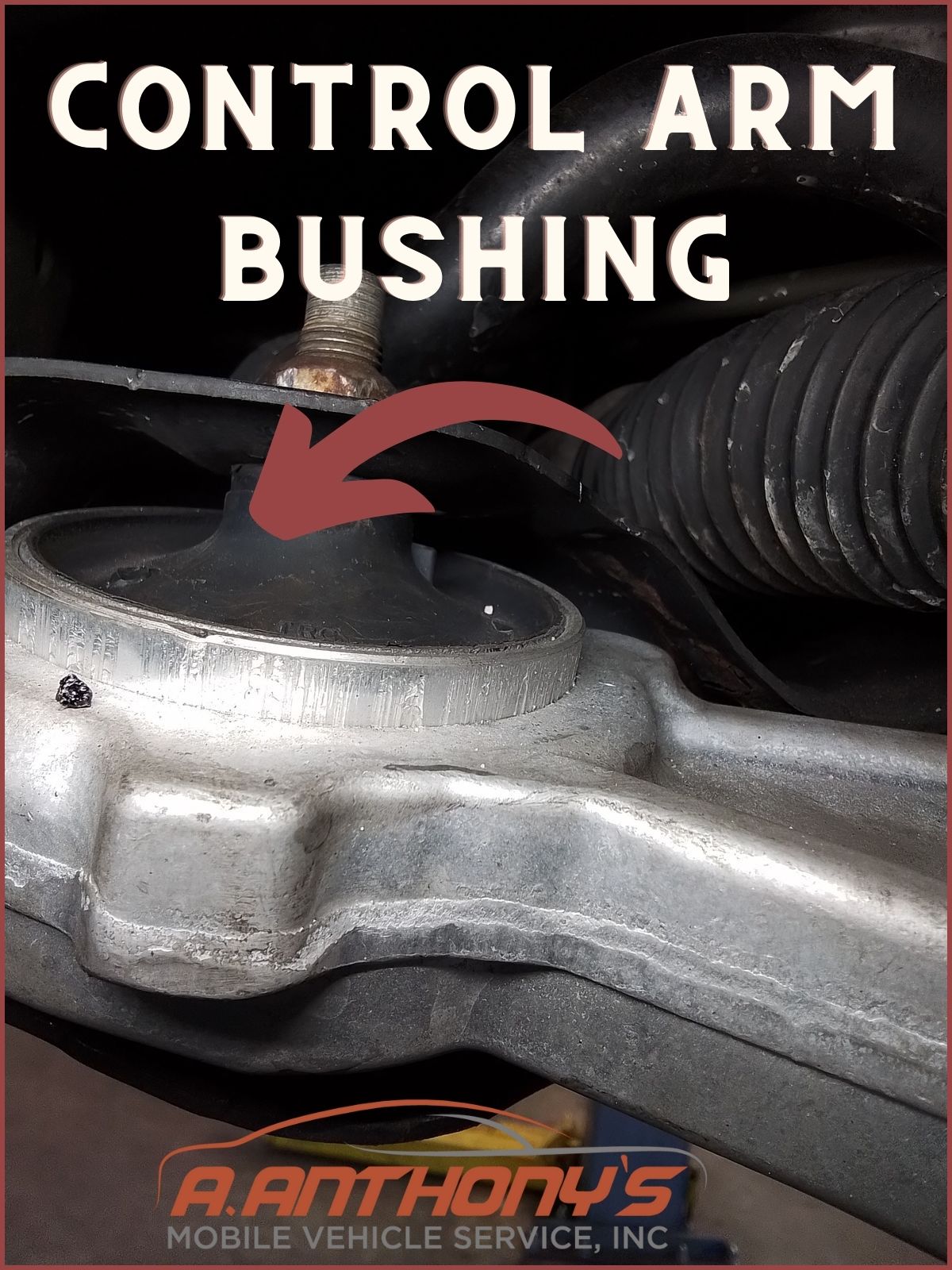
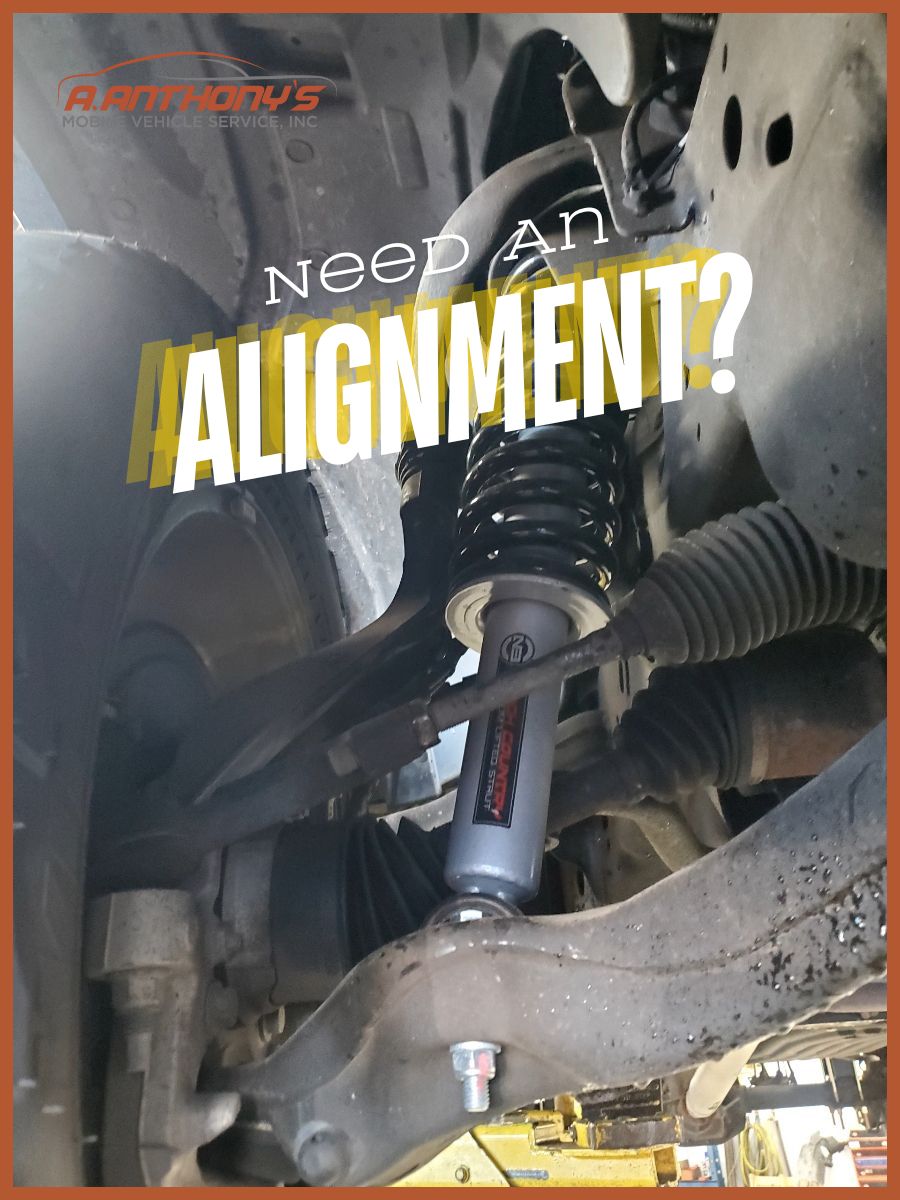

What is a car alignment?
First, I want to define an alignment. In terms of your car, it is setting specific parts to specific angles and measurements. Technically speaking, these measurements are the toe, caster, camber, and thrust angles. Your car’s manufacturer has determined the best angles and settings to optimize performance and handling down to the tenth of a degree.
Why, then, do we only address them when our cars are pulling or drifting, or when we buy a set of tires? Okay, we also get an alignment when a suspension or steering part is changed, like struts or tie rods, but you get my point. Precise measurements to the tenth of a degree…How much do those measurements really matter?

Note: If you are clumsy like me, do not try this at home. Take your feet. Stand up. Point both big toes inward and walk forward. Feels SO wrong. Okay. Now, turn your left foot out and your right foot out and walk forward. It still feels awkward. That is how I would simplify the toe setting of a car–when it is within specification, your feet are pointing straight ahead. Leaning your body to one side or the other would best represent camber. Depending on which way you lean would represent positive or negative camber. But imagine walking that way. Okay now. Fix your posture, quit slouching.


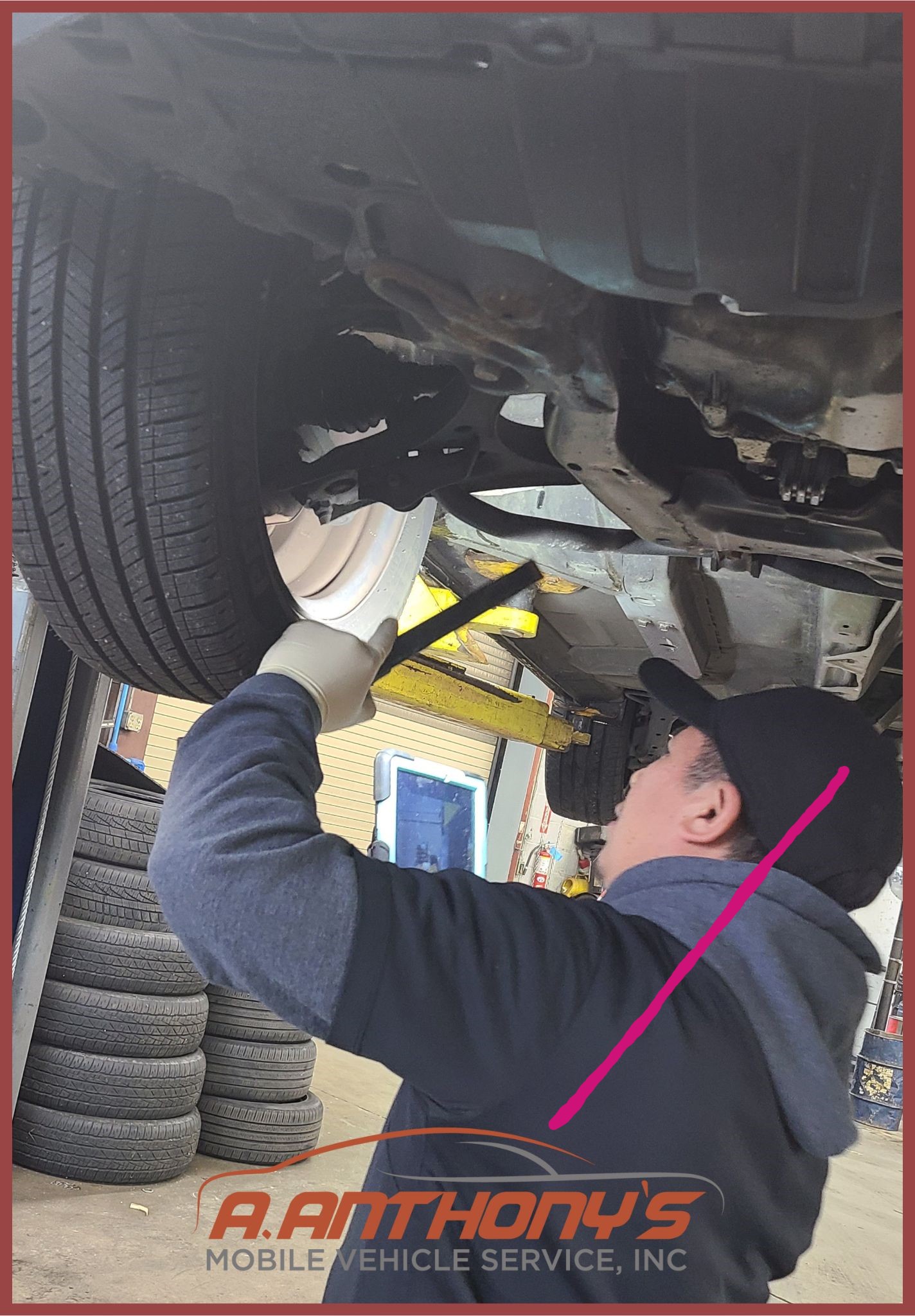

So, I have been able to bring to life two parts of your car’s alignment that make them a little bit more relatable. When you walk pigeon-toed or lean, it strains you and your body. Kind of like sleeping wrong and getting a crick in your neck or having one pant leg get a hole in the bottom from always dragging the ground–maybe that’s just me.
The strain is no different on your car. Let’s say your alignment is out, just a little bit. You barely notice it. You continue to drive on, not really paying much mind to that minute shift in your steering wheel. Whatever the root cause was is there and won’t just magically go away. In fact, until a mechanic addresses it, it will progress and may start taking other parts with it. Let me give you an example. True story…
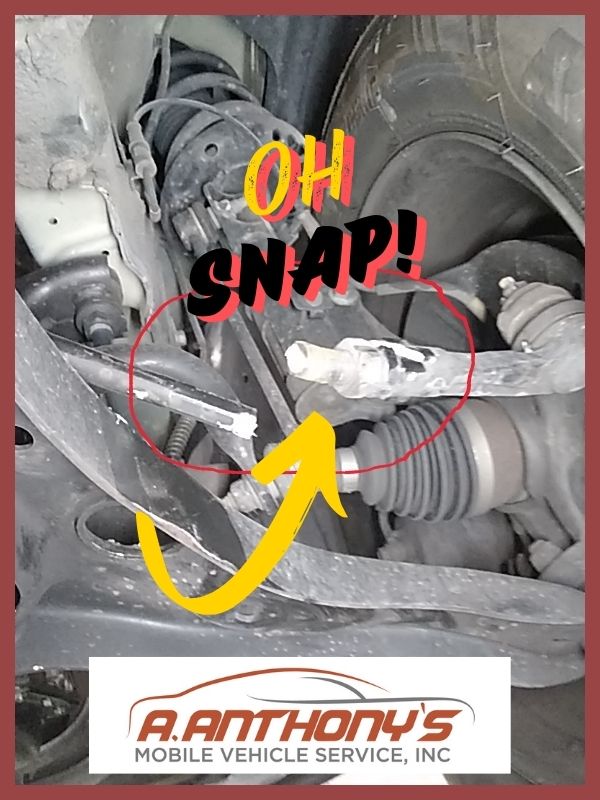
My little car–not the Mom Tank, was due for service. It hadn’t been in the shop for a while (whoops–life happens, I’m human too). I noticed a bad shimmy. It felt like the front end was dancing along to my road singing. One of the tie rods had excessive movement. The tie rod attaches to the steering gear rack and pinion and the wheel. When the tie rod end first started to fail, it probably would have felt like a slight vibration and maybe would have made a little noise. Had I caught it early enough, I could have replaced the tie rod end, aligned the car and called it a day. Since it had gon on for so long and been left unaddressed, the tires had worn on the outside edges. Now, I needed a set of tires, and the tie rod, and the alignment. This just became more expensive than it needed to be.

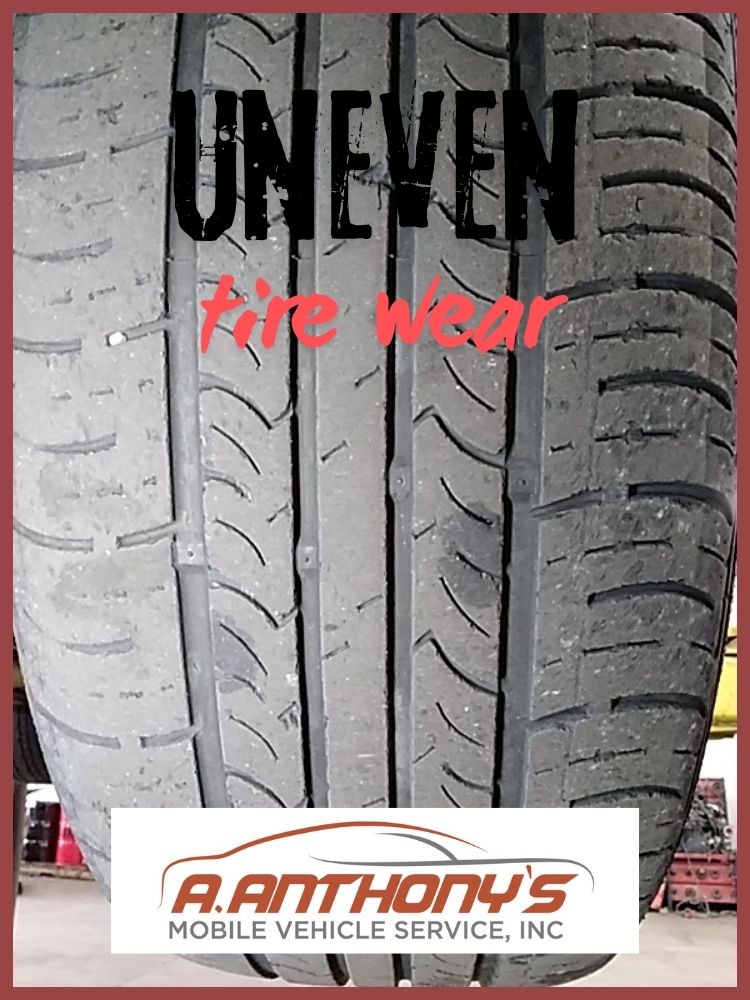
Sometimes, an incident like hitting a curb or a pothole can cause your alignment to shift. Other times, worn parts lead to excessive movement in your suspension and steering. Here is a funny one: habitual driving! I used to enter my driveway the same way every day. Now, I alternate how I enter my driveway and save wear and tear on my suspension, steering and alignment life.
Tips To Help:
To sum it all up, alignments are beneficial. You even save a few pennies in gas from not over steering or fighting your own car as you go down the road. Here are some other ways you can save.
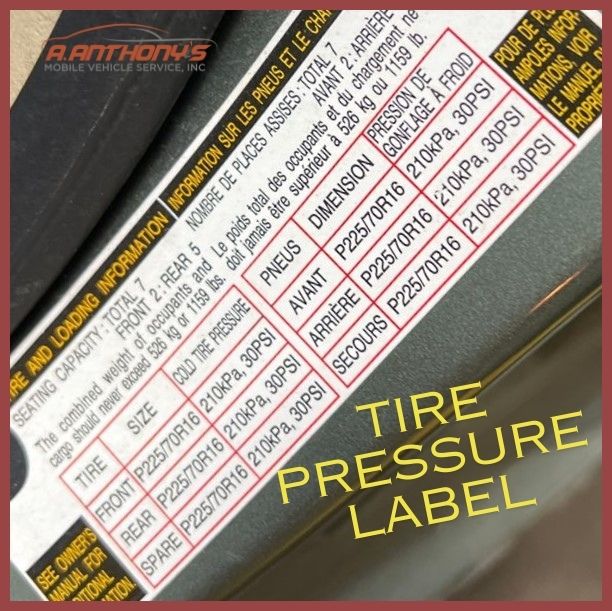
Your tires play an important role. Start by maintaining proper tire pressure and checking the pressure regularly. Correct tire pressure promotes even tire wear, which will affect how the steering feels.

Balancing the tires regularly keeps the weight distribution around the axle even. Routine tire balances reduce friction which helps maintain even tire wear and prevents premature suspension part wear too.
Lastly, go ahead and get a routine alignment. Whether it feels off or not, make this part of your annual car care health. The benefits of keeping the alignment measurements correct include spending less money on tire replacement, suspension, and steering parts.

 Grease In Her Veins